
How Beard Skin Care Differs From Regular Facial Care
Beard skin care is defined as a specialized grooming practice that addresses the unique biological environment created by facial hair, and it differs fundamentally from standard facial skin care. The skin beneath your beard forms a semi-closed microenvironment that traps heat, moisture, and sebum, making it behave nothing like bare facial skin. Regular facial moisturizers, shampoos, and cleansers are formulated for open skin, not for the layered, oil-wicked terrain under a full beard. Understanding how beard skin care differs is the first step toward a routine that actually works.
How beard skin care differs from bare facial skin biology
The skin under your beard is thinner, more sensitive, and more acidic than scalp skin. That distinction matters because most men reach for scalp shampoo when their beard gets itchy, and that is exactly the wrong move. Scalp skin pH sits around 5.5, while facial skin is more acidic and delicate. Scalp shampoo strips the protective acid mantle from facial skin, causing dryness and irritation rather than relief.
Beard hair also wicks sebum away from the skin surface. Your sebaceous glands produce oil to keep skin moisturized, but beard hair pulls that oil upward and outward along the hair shaft. The result is skin that is chronically under-moisturized, even on men who think they have oily skin. This is why bare-faced men and bearded men need completely different moisturizing strategies.
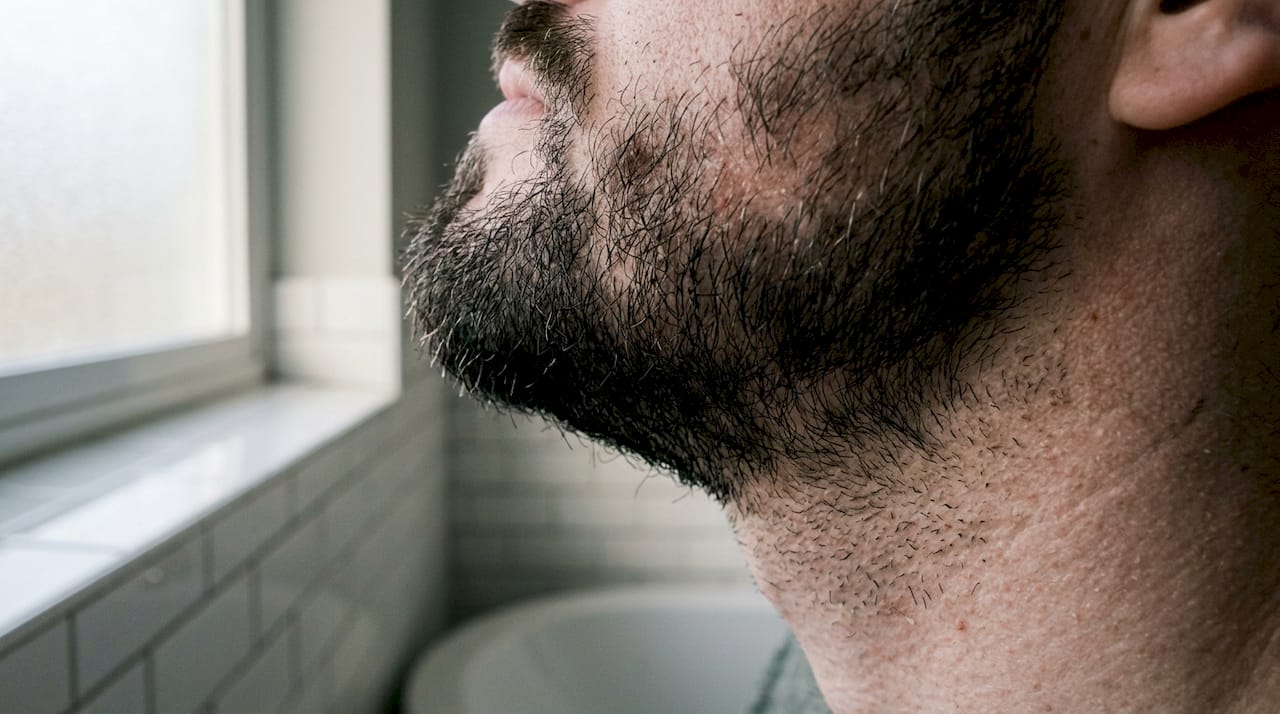
The beard itself creates what dermatologists call a semi-closed microenvironment. Trapped sweat, heat and reduced airflow change how skin behaves under facial hair compared to open facial skin. Dead skin cells accumulate faster. Bacteria find more places to hide. The skin becomes reactive in ways that a standard facial skincare routine for bearded men simply cannot address.
Common issues that arise from this environment include:
- Beard itch: Usually caused by stripping the acidic protective layer with the wrong cleanser, not the beard hair itself
- Beardruff: Flaking that looks like dandruff but originates from the drier, irritated skin beneath the beard
- Ingrown hairs: More common when dead skin builds up and blocks hair follicles
- Sensitivity spikes: Skin under the beard reacts more intensely to fragrance, alcohol and harsh surfactants
Pro Tip: If your beard itches constantly, switch your cleanser before you try anything else. The itch is almost always a pH and oil-stripping problem, not a hydration problem.
How do beard care products differ from regular facial skin care products?
Beard oils are the clearest example of how beard care products differ from standard facial products. A beard oil is formulated to mimic natural sebum, using carrier oils like jojoba and argan that penetrate both the hair shaft and the skin surface. Jojoba and argan oils nourish both hair and skin without blocking pores. A water-based facial lotion does neither of those things effectively.
Regular face lotions often contain silicones. Silicones create a smooth feel on open skin, but under a beard they trap bacteria against the skin surface. Silicone-based moisturizers under a beard raise the risk of clogged pores and acne. That is a real problem for men who assume their existing facial moisturizer will work fine beneath facial hair.
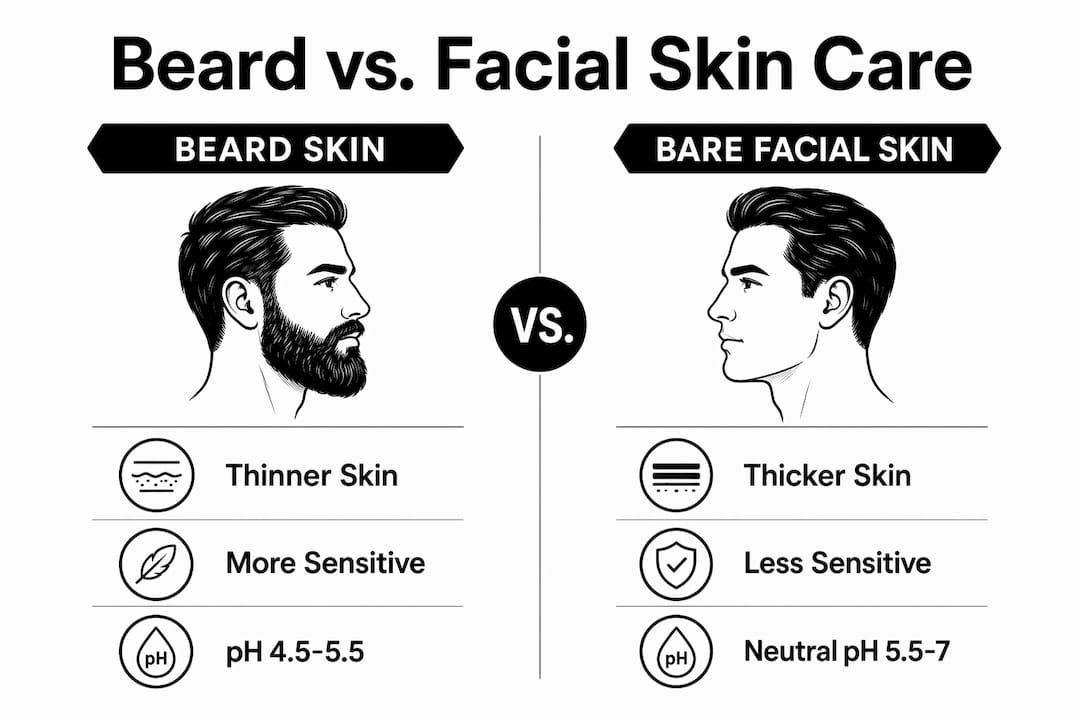
Beard washes are a separate category entirely. They use gentler surfactants than scalp shampoos and are formulated to respect the preferred pH range of 4.5 to 5.5 that facial skin needs. Scalp shampoos typically run pH 5.5 to 6.5, which is aggressive enough to strip the acid mantle from facial skin with regular use.
Here is a clear breakdown of how the product categories compare:
| Product type | Designed for | Key difference |
|---|---|---|
| Beard oil | Beard hair and skin | Mimics sebum, penetrates hair shaft and skin |
| Facial lotion | Open facial skin | Water-based, may contain silicones |
| Beard wash | Beard and facial skin | Gentle surfactants, pH 4.5–5.5 |
| Scalp shampoo | Scalp skin and hair | Aggressive surfactants, pH 5.5–6.5 |
| Beard balm | Longer beards (2+ inches) | Wax-based hold and shape, not primary hydration |
Key product rules for the best products for beard skin:
- Use a dedicated beard wash, not a scalp shampoo or bar soap
- Apply beard oil daily to hydrate both skin and hair
- Avoid facial moisturizers with silicones, heavy alcohols or synthetic fragrance
- Reserve beard balm for styling, not as a substitute for oil
Pro Tip: Check your facial moisturizer’s ingredient list for dimethicone or cyclomethicone. If either appears in the top five ingredients, that product does not belong under your beard.
What does a healthy beard skin care routine actually look like?
A good skincare routine for bearded men is simpler than most men expect. The goal is to stabilize the skin environment, not to layer on products. You can find a solid foundation in a simplified skin care routine and then adapt it for beard-specific needs.
Follow these steps for consistent results:
- Cleanse 2 to 3 times per week with a dedicated beard wash. Daily washing strips natural oils faster than your skin can replace them. On non-wash days, rinse with warm water only.
- Apply beard oil daily, ideally right after washing while skin is still slightly damp. Damp skin absorbs oil more effectively. Use 3 to 5 drops for a short beard, 6 to 10 drops for a longer one.
- Exfoliate once per week using a soft-bristle brush or a gentle facial scrub. This removes dead skin cells that accumulate faster under beard hair and prevents beardruff and ingrown hairs.
- Apply at night when possible. Skin repair peaks during sleep, and nighttime application of beard oil means no product is wiped away by touching your face during the day.
- Be patient and consistent. Softness improvements appear within 14 days of consistent care. Noticeable density and texture changes take 8 to 12 weeks. Most men quit during weeks 4 to 8 when itch and flaking peak, which is exactly the wrong time to stop.
Avoid product overload. Using three or four products at once makes it impossible to know what is helping and what is causing irritation. Start with a beard wash and a beard oil. Add other products only after your skin has stabilized, which usually takes two to four weeks.
Pro Tip: Take a photo of your beard and skin every two weeks under the same lighting. Visual tracking keeps you consistent during the awkward phase when progress feels invisible.
How do you address dryness, irritation, and beard dandruff?
Dry skin and beard dandruff are not the same condition, and treating them the same way makes both worse. Dryness comes from oil depletion, while beard dandruff often involves yeast overgrowth made worse by the trapped moisture in the beard environment. Large yellow flakes with redness usually signal seborrheic dermatitis, which needs a different approach than simple dryness.
For men dealing with skin issues under their beards, these guidelines apply:
- For dryness: Increase beard oil frequency and reduce wash frequency. Avoid hot water, which strips oils faster than warm water.
- For beardruff: Add weekly exfoliation and look for a beard wash with zinc pyrithione or tea tree oil, both of which address yeast overgrowth.
- For irritation and redness: Strip your routine back to one gentle cleanser and one fragrance-free oil. Fragrance is the most common irritant in grooming products.
- For ingrown hairs: Exfoliate more consistently and apply beard oil after every wash to keep follicles clear and skin supple.
- During seasonal changes: Winter air is drier, so increase oil application frequency. Summer heat increases sweat and bacteria, so cleanse slightly more often but keep it gentle.
Knowing which natural skincare ingredients soothe versus which ones irritate sensitive beard skin makes product selection much easier. Ingredients like aloe vera, chamomile and calendula calm reactive skin. Synthetic fragrance, denatured alcohol and sodium lauryl sulfate are the main offenders to avoid.
When should you add beard balm or styling products?
Beard balm belongs in your routine only after your beard reaches approximately two inches in length. Before that point, premature balm use clogs pores and creates a waxy buildup that makes the beard look messy and stresses the skin underneath. This is one of the most common grooming mistakes men make when starting a beard care routine.
The difference between beard oil and beard balm comes down to purpose. Beard oil hydrates skin and softens hair. Beard balm provides hold and shape. They are not interchangeable, and balm does not replace oil even in a longer beard.
Guidelines for using styling products without harming skin health:
- Apply oil first, then balm on top if needed for shape. Never replace oil with balm.
- Use a pea-sized amount of balm for short-to-medium beards. More product does not mean better results.
- Avoid layering multiple wax or butter-based products in the same routine. Build-up is harder to wash out and irritates skin over time.
- Wash out styling products thoroughly on cleanse days. Residue left overnight feeds bacteria and clogs follicles.
Pro Tip: If your beard feels stiff or looks dull after applying balm, you used too much. Warm a smaller amount between your palms until it becomes nearly invisible before applying.
Key Takeaways
Beard skin care requires a skin-first approach because the semi-closed environment under facial hair creates conditions that standard facial products and routines are not built to handle.
| Point | Details |
|---|---|
| Skin biology is different | Beard skin is thinner, more acidic, and oil-depleted compared to bare facial skin. |
| Products must match the environment | Beard oils and washes are formulated for pH 4.5–5.5; scalp shampoos and silicone lotions cause irritation. |
| Routine frequency matters | Cleanse 2 to 3 times weekly, apply beard oil daily, and exfoliate once per week. |
| Balm timing is critical | Introduce beard balm only after the beard reaches 2 inches to avoid clogged pores. |
| Consistency beats complexity | Softness improves within 14 days; density changes take 8 to 12 weeks of consistent care. |
Why I think most men are solving the wrong beard problem
Most men who struggle with beard itch, flaking, or dryness are treating their beard as a hair problem. They buy more products, try different shampoos and condition more often. The skin never improves because the skin was never the focus.
Healthy skin under a beard should feel quiet. No itch, no tightness, no visible flaking. When the skin environment is stable, the beard looks and feels better almost automatically. Constant irritation is a signal that the skin environment is unstable, and in my experience, over-management causes that instability far more often than neglect does.
The men I see with the best-looking beards do very little. They use one gentle cleanser, one good beard oil, and they are consistent. They do not layer five products or switch routines every two weeks. They also understand that men need separate skincare from women, and bearded men need a further adaptation from non-bearded men.
My honest advice: simplify before you add. If your skin is irritated, remove products rather than adding new ones. Give your skin two weeks to stabilize. Then, and only then, introduce one new product at a time. Patience is not a passive strategy here. It is the most effective tool you have.
— T
The Holistic Science Co. has what your beard skin actually needs
Your beard deserves products that nourish the skin beneath it, not just the hair on top. The Holistic Science Co. crafts artisanal grooming and skincare products designed with sensitive skin in mind, using natural ingredients that soothe, hydrate and support healthy skin under facial hair.

Whether you are building your first beard care routine or refining one that is not quite working, the The Holistic Science Co. product range offers gentle, skin-friendly options that align with everything covered here. Think clean formulations, botanical ingredients, and products made for real skin health rather than just surface shine. Your beard and the skin beneath it will feel the difference.
FAQ
What is the main difference between beard care and regular skin care?
Beard care focuses on the skin beneath facial hair, which is drier, more sensitive, and exists in a semi-closed environment that traps heat and bacteria. Regular facial skin care is formulated for open skin and does not address these conditions.
Do beards need special care products?
Yes. Beard skin prefers a pH of 4.5 to 5.5, and standard scalp shampoos run higher than that, stripping the protective acid mantle. Dedicated beard washes and beard oils are formulated to respect that range.
How often should you wash your beard?
Wash your beard 2 to 3 times per week with a dedicated beard wash. Daily washing strips natural oils faster than skin can replace them, which causes the dryness and itch most men are trying to fix.
What causes beard dandruff and how do you treat it?
Beard dandruff is often caused by yeast overgrowth in the moist environment under the beard, not simple dryness. Treat it with a beard wash containing zinc pyrithione or tea tree oil, combined with weekly exfoliation.
When should you start using beard balm?
Introduce beard balm after your beard reaches approximately two inches in length. Using it earlier clogs pores and creates waxy buildup that irritates skin and makes the beard look unkempt.
Recommended
- Why Men Need Separate Skincare for Better Skin Health - The Holistic Science Co.
- Why Women Need Neck Skincare: Your Complete Guide - The Holistic Science Co.
- What Is Artisanal Skincare? A Clear, Honest Guide - The Holistic Science Co.
- Your Simplified Skin Care Routine: 5 Steps That Work - The Holistic Science Co.