

Why Men Need Separate Skincare for Better Skin Health

Men’s skin is biologically distinct from women’s skin, and that difference is exactly why men need separate skincare products and routines to get real results. Your skin produces more oil, sits thicker on your face, and takes a daily beating from shaving. Using products formulated for a different skin type means you are either under-treating or actively irritating your skin. The science behind men’s skin health is clear, and once you understand it, building a tailored routine stops feeling optional and starts feeling obvious.
Why men need separate skincare: the biology behind it
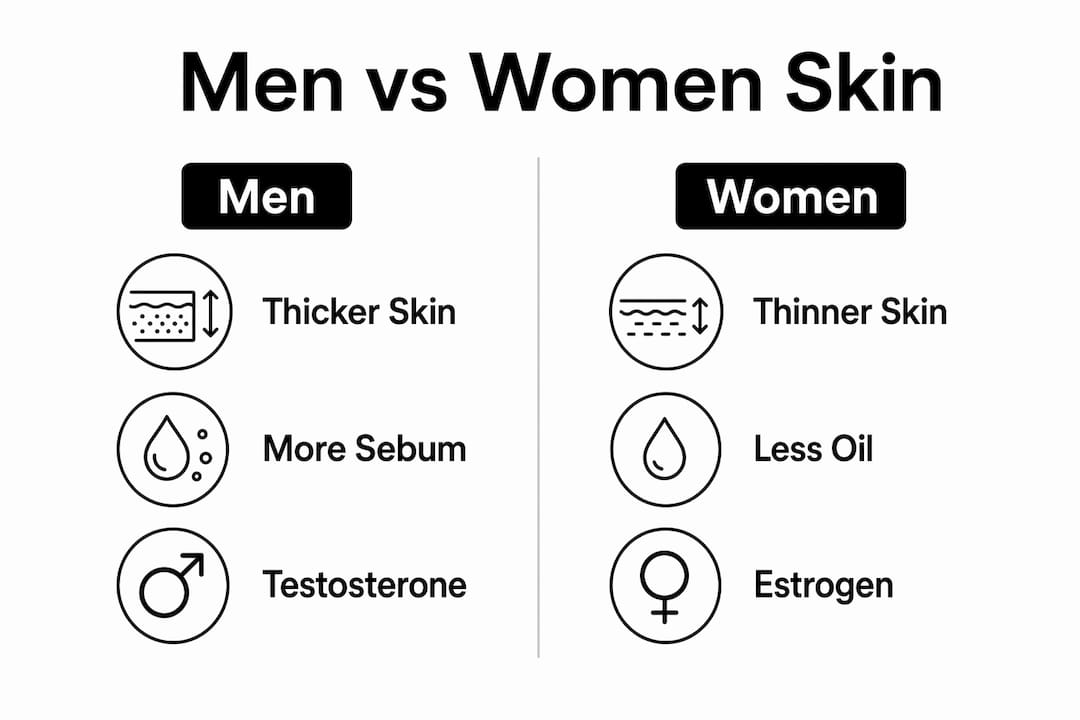
The core reason separate skincare for men matters comes down to testosterone. Higher sebum production driven by testosterone gives men oilier skin and visibly larger pores than women of the same age. That is not a cosmetic complaint. It means your skin is more prone to congestion, breakouts, and a shiny appearance that no amount of face washing fully controls.
Men’s skin is also roughly 20% thicker than women’s, which changes how products absorb and how quickly active ingredients reach the layers where they do their work. A lightweight serum formulated for thinner skin may simply sit on the surface of yours without delivering the penetration it promises. This is why men’s skincare products are often built with stronger delivery systems and textures that work with, not against, your skin’s structure.
Here is what that biology means in practical terms:
-
Oilier skin requires non-comedogenic, oil-free formulas that hydrate without adding shine or clogging pores.
-
Thicker skin benefits from products with higher concentrations of actives like niacinamide or salicylic acid to reach deeper layers.
-
Larger pores need regular, gentle cleansing to prevent buildup without stripping the skin’s natural lipid barrier.
-
Hormonal fluctuations in men are more stable than in women but still influence how reactive or resilient your skin is on any given day.
Understanding your skin’s structure is not vanity. It is the foundation of every good decision you make about men’s grooming products.
How shaving creates unique skin challenges
Shaving is the single biggest daily stressor most men put their skin through, and it is almost entirely overlooked in generic skincare advice. Daily shaving causes repeated microtrauma to the skin barrier, increases trans-epidermal water loss, and leaves the surface raw, sensitized, and vulnerable to environmental irritants. That is not a dramatic claim. It is what happens when you drag a blade across your face every morning.
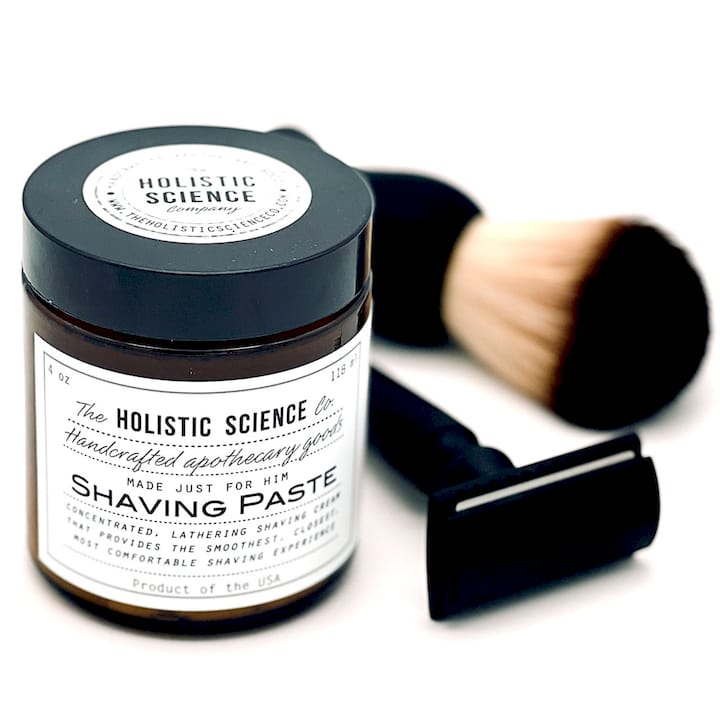
The outer layer of your skin, the stratum corneum, acts as a physical shield. Shaving physically removes part of that layer along with the hair. Done daily, this is a form of mechanical exfoliation that your skin never fully recovers from if you do not actively support it. The result is chronic low-grade irritation, redness, tightness, and in many men, a cycle of sensitivity that gets blamed on “sensitive skin” rather than on the routine causing it.
Alcohol-based aftershaves make this worse. They feel refreshing for about thirty seconds, then they strip the lipids your barrier needs to stay intact. Over-cleansing and alcohol-heavy products post-shave strip those lipids and trigger inflammation, which is the opposite of what your skin needs after a shave.
Pro Tip: Splash your face with cool water after shaving, then apply a fragrance-free moisturizer with ceramides or glycerin within two minutes. This window is when your skin absorbs hydration most effectively and when barrier repair starts.
What a proper post-shave routine looks like:
-
Use a gentle, sulfate-free cleanser before shaving to soften skin and reduce friction.
-
Shave with a sharp blade and a lubricating shave gel or cream, never dry.
-
Skip the alcohol-based aftershave and replace it with a soothing, barrier-repairing moisturizer.
-
If you experience persistent razor burn, a product with centella asiatica or allantoin will calm inflammation without clogging pores.
Do moisturizers and sunscreen really matter for men?
Yes, and the data is not subtle. Moisturizing protects skin from heat, pollution, sweat, and sun by strengthening the barrier and reducing water loss. For men who shave regularly, moisturizing is not optional maintenance. It is active repair.
One of the most persistent myths in men’s skin health is that oily skin does not need hydration. This is wrong, and it is costing a lot of men their skin’s long-term condition. When you strip oil from your skin repeatedly, your sebaceous glands compensate by producing even more oil. This is sometimes called the sebaceous gland paradox, and it explains why men who skip moisturizer often end up with skin that is simultaneously oily and dehydrated. A lightweight, water-based moisturizer with hyaluronic acid or glycerin gives your skin the hydration signal it needs without adding grease.
Sunscreen is where the stakes get genuinely high. A randomized controlled trial found a 38% reduction in squamous cell carcinoma after eight years of daily sunscreen use. That is not a marginal benefit. That is a dramatic reduction in one of the most common skin cancers, achieved by applying a product that takes thirty seconds. Beyond cancer prevention, SPF 30 sunscreen reduces UV-responsive gene expression changes linked to photoaging, meaning it actively preserves your skin’s structure at a molecular level.
Here is how to make sunscreen a non-negotiable part of your morning:
-
Apply a broad-spectrum SPF 15 or higher sunscreen every morning, even on cloudy days and indoors near windows.
-
Use a formula designed for your skin type. Oily skin does well with gel-based or mineral sunscreens. Dry skin benefits from a moisturizing SPF.
-
Reapply every two hours if you are outdoors. One morning application does not last all day.
-
Do not skip your neck and ears. These areas age faster than your face and are just as exposed.
Sun protection is the single most evidence-backed step in any skincare routine for men of any skin type or age.
Men’s products vs. general skincare: what actually differs
The honest answer is: sometimes a lot, sometimes mostly marketing. Men’s products are often formulated with stronger penetration to address thicker skin, but some of the “for men” labeling on shelves is purely a positioning decision, not a formulation one.
Here is a practical comparison to help you cut through the noise:
| Feature | Men’s skincare products | General or women’s products |
|---|---|---|
| Texture | Lighter, gel-based, fast-absorbing | Often richer, creamier formulas |
| Fragrance | Muted or unscented, or woodsy notes | Floral or sweet scents common |
| Active strength | Higher concentrations for thicker skin | Calibrated for average skin thickness |
| Shave-specific care | Formulated for post-barrier repair | Rarely addresses shaving stress |
| Marketing vs. formula | Sometimes one, sometimes both | Same applies |
The takeaway is not that you must only buy products labeled “for men.” The takeaway is that you need to read formulations and match them to your actual skin biology. A ceramide-rich moisturizer marketed to women will still repair your barrier. A men’s face wash with harsh sulfates will still strip your skin. Ingredients matter more than the label.
How to build a simple men’s skincare routine that works
The best men’s skincare routine is the one you will actually do every day. Complexity is the enemy of consistency, and consistency is what produces results. Start with three steps and build from there only when you have a clear reason to.
Your core routine:
-
Morning: Gentle cleanser, lightweight moisturizer, broad-spectrum SPF 15+.
-
Evening: Gentle cleanser, moisturizer, and optionally a targeted treatment like a retinoid or niacinamide serum.
-
Post-shave (whenever you shave): Skip the alcohol aftershave, apply a soothing moisturizer immediately.
When you are ready to introduce actives, go slow. Start retinoids at low strength one to two times per week for four to six weeks before increasing frequency. Retinoids are among the most effective anti-aging ingredients available, but they cause peeling and irritation when introduced too fast. Most men who try them and quit do so because they ramped up too quickly.
Pro Tip: If you are new to skincare, buy one product at a time and use it for at least three weeks before adding something new. This way, if your skin reacts, you know exactly what caused it.
The skincare tips for men that actually stick are the ones that fit into your existing routine. Attach your morning moisturizer and SPF to brushing your teeth. Keep your evening cleanser next to your toothbrush. Habit stacking is more effective than willpower.
Key takeaways
Men’s skin requires distinct care because its biology, oil production, and daily stressors like shaving demand products and routines that general skincare simply does not address.
| Point | Details |
|---|---|
| Biology drives the need | Higher testosterone and thicker skin mean men need stronger, targeted formulations. |
| Shaving demands repair | Daily shaving damages the skin barrier and requires consistent post-shave moisturizing. |
| Moisturizer is non-negotiable | Skipping it triggers more oil production and weakens the barrier over time. |
| Sunscreen prevents real harm | Daily SPF 30+ use reduces squamous cell carcinoma risk by 38% over eight years. |
| Simplicity builds consistency | A three-step routine done daily outperforms a complex one done occasionally. |
What I have learned from watching men skip skincare
Most men I have spoken with who resist skincare are not lazy. They are skeptical. They have been sold products that felt greasy, smelled overpowering, or made no visible difference in two weeks. That skepticism is earned, and it points to a real problem in how men’s grooming products have historically been marketed: style over substance.
What I have found actually works is starting with the barrier. Not the fancy serum, not the eye cream, not the toner. The barrier. When your skin’s protective layer is intact and hydrated, everything else improves. Breakouts reduce. Shaving irritation calms down. Skin looks less tired. The barrier is the foundation, and moisturizer plus sunscreen is how you protect it.
The other thing I have noticed is that men who shave daily and skip post-shave care are essentially exfoliating their skin every morning and then leaving it exposed. That is like sanding a piece of wood and then leaving it outside in the rain. The repair step is not optional. It is the whole point.
If you are 20 to 40 and your skin feels reactive, oily, or just “off,” the answer is almost never a more aggressive cleanser. It is usually more barrier support. Start there, stay consistent, and give it six weeks before you judge the results.
— T
Nourish your skin the way it deserves with The Holistic Science Co.
Your skin works hard every day, and it deserves products that work just as hard in return. At The Holistic Science Co., we craft artisanal skincare built around real skin science, with formulas that soothe, nourish, and protect without overcomplicating your routine.

Whether you are looking for a lightweight moisturizer that repairs your barrier after shaving or a daily SPF that feels like nothing on your skin, our men’s skincare range is designed to deliver exactly what your skin needs. No fuss, no grease, just genuinely good ingredients that your skin will thank you for. Explore the full collection and find your new daily essentials.
FAQ
Do men really need different skincare from women?
Yes. Men’s skin is roughly 20% thicker, produces more sebum due to testosterone, and faces daily barrier stress from shaving. These biological differences mean that products formulated for men’s skin deliver better results than general or women’s formulas.
Why is moisturizer important for oily skin?
Skipping moisturizer on oily skin triggers the sebaceous glands to produce even more oil, worsening the problem. A lightweight, water-based moisturizer hydrates without adding shine and helps regulate oil production over time.
How often should men apply sunscreen?
Every morning, without exception. Reapply every two hours when outdoors. Daily sunscreen use significantly reduces skin cancer risk and prevents photoaging, making it the single most impactful step in any men’s skincare routine.
What should men use after shaving instead of alcohol-based aftershave?
Replace alcohol-based aftershave with a fragrance-free, barrier-repairing moisturizer containing ceramides, glycerin, or centella asiatica. Apply within two minutes of shaving to restore hydration and calm irritation.
When is the right time to add retinoids to a men’s skincare routine?
Once your basic routine of cleanser, moisturizer, and SPF is consistent. Start retinoids at low strength one to two times per week and build slowly over four to six weeks to avoid irritation and peeling.