
What Is Artisanal Skincare? A Clear, Honest Guide
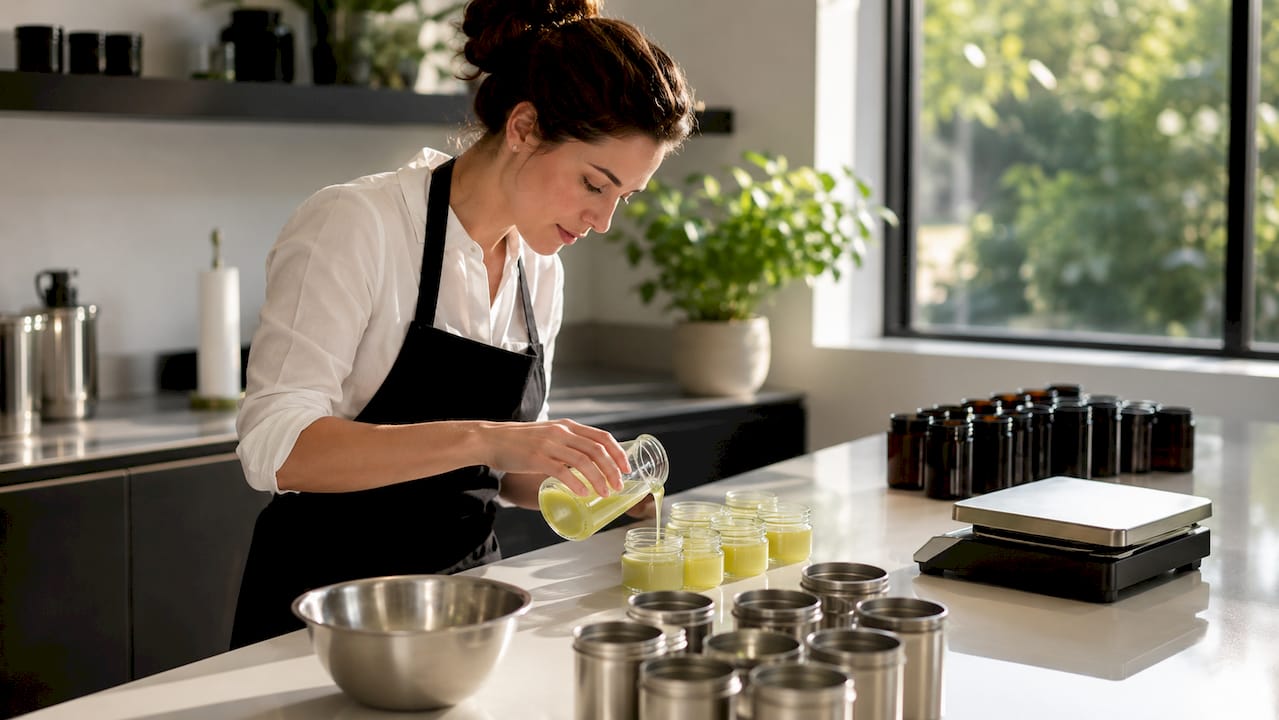
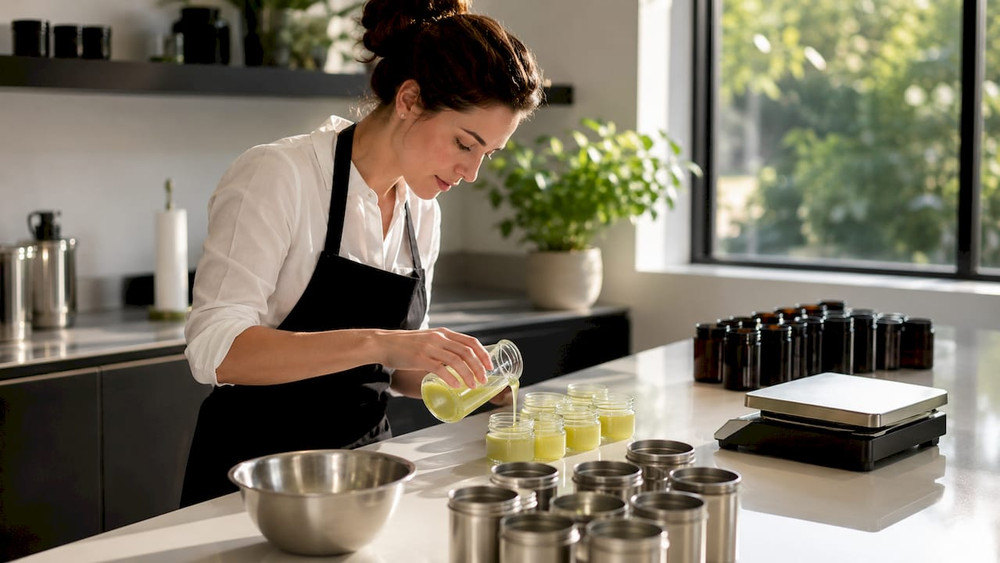
Artisanal skincare is defined as the practice of crafting beauty products in small batches using premium natural ingredients, traditional techniques and a commitment to ingredient transparency. Unlike mass-produced cosmetics, artisan beauty care prioritizes the quality of every raw material over the speed of production. You get products where the maker knows exactly what went into each jar, where those ingredients came from, and why each one belongs in the formula. That combination of craftsmanship and accountability is what sets handmade skincare products apart from the conventional shelf.
What is artisanal skincare and what makes it different?
Artisanal skincare is a category of handcrafted beauty products made in small runs, typically by independent formulators or boutique brands, using minimally processed natural ingredients. The term “artisanal” signals more than just handmade. It signals a philosophy: that every ingredient choice is deliberate, every batch is traceable, and the person making the product genuinely cares about what touches your skin.
The industry standard for evaluating this naturalness comes from ISO 16128, which provides a harmonized methodology for categorizing cosmetic ingredients as natural, derived-natural, organic, mineral or synthetic. This framework gives both formulators and consumers a shared language for ingredient transparency. Without it, “natural” is just a marketing word.
Regulatory requirements add another layer of accountability. EU Regulation (EC) No 1223/2009 mandates standardized ingredient lists on all cosmetic packaging, including full disclosure of preservatives. That rule applies to artisanal brands just as much as it applies to multinational corporations. Transparency is not optional.
What ingredients and sourcing define artisanal skincare products?
The ingredient list is where artisanal skincare earns its reputation. Artisanal formulators typically source plant-derived botanicals, cold-pressed oils, herbal extracts and mineral actives rather than relying on synthetic fillers or petrochemical derivatives. The goal is a formula where every ingredient serves a purpose, and you can actually pronounce most of what is on the label.
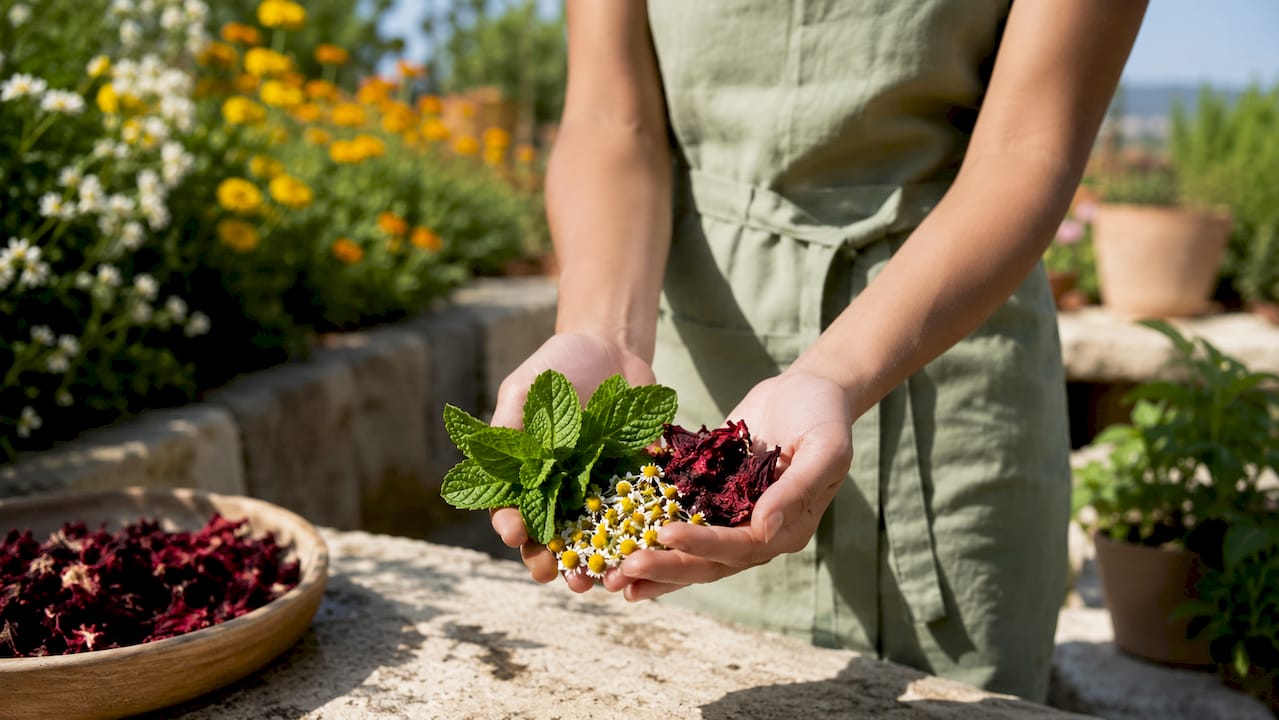
Ingredient origin transparency is the foundation of consumer trust in artisanal skincare. Brands that genuinely operate in this space will tell you where their shea butter comes from, whether their lavender is steam-distilled or solvent-extracted, and whether their supplier practices fair trade. That level of detail is rare in mass-market products.
Here is how ISO 16128 categorizes the ingredient types you will most often find in artisanal formulas:
| Ingredient Category | Definition | Common Artisanal Examples |
|---|---|---|
| Natural | Directly from plant, animal, or mineral source | Raw shea butter, beeswax, clay |
| Derived-natural | Processed from natural source, retains origin index | Cetyl alcohol from coconut, glycerin from vegetable oil |
| Organic | Natural origin, certified organic cultivation | Organic rosehip oil, certified organic aloe vera |
| Mineral | Inorganic, naturally occurring | Zinc oxide, mica, kaolin clay |
| Synthetic | Chemically manufactured, no natural origin | Synthetic fragrance, PEG compounds |
Artisanal brands typically favor the first three categories and minimize or eliminate the last. That sourcing discipline is what separates a genuinely crafted product from one that simply uses “artisan” as a label.
Ethical and local sourcing practices are also common in this space. Many small-batch producers work directly with farms, cooperatives or regional suppliers to reduce supply chain distance and support sustainable agriculture. This approach benefits both the environment and the potency of the ingredient, since fresher raw materials often carry higher levels of active compounds.
- Ingredient traceability: Artisanal brands can often name the specific farm or supplier for key actives.
- Minimal processing: Cold-pressing, steam distillation, and raw extraction preserve more of the plant’s natural chemistry.
- Ethical sourcing: Fair trade certification and direct supplier relationships are common commitments.
- Seasonal awareness: Some artisanal formulators adjust batches based on seasonal ingredient availability to maintain freshness.
How are artisanal skincare products formulated and preserved?
Formulation is where artisanal skincare gets genuinely interesting, and where a lot of misconceptions live. Small-batch production allows closer batch tracking and more attentive quality control, but it also limits the prolonged stability testing that large manufacturers rely on. That means batch consistency requires real skill and discipline from the formulator.
One of the most persistent myths in artisanal skincare is the “chemical-free” or “preservative-free” claim. Every product contains chemicals, because everything is chemistry. More importantly, preservation is a safety function, not a performance enhancer. A product without adequate preservation can grow harmful bacteria and mold, regardless of how natural its ingredients are.
Artisanal formulators address this in several smart ways:
- Anhydrous formulas: Oil-based balms, butters, and serums contain no water, which removes the primary environment where microbes thrive. Water-free formulas require far less preservation than emulsions.
- Natural antimicrobials: Essential oils like Lippia origanoides demonstrate antioxidant and antimicrobial activity that can support product stability when properly formulated and encapsulated.
- Packaging design: Airless pumps, UV-protective glass, and single-use formats reduce contamination and oxidation without adding synthetic preservatives.
- Water activity management: Reducing free water in a formula through humectants or emulsifier selection limits microbial growth without relying on traditional preservative systems.
- Green chemistry approaches: A 2025 study confirmed that a nanoemulsion cream using green ingredients maintained stable structure, high bioavailability and antimicrobial properties over six months. That result shows natural formulations can achieve real stability when the science is applied correctly.
Pro Tip: When evaluating an artisanal skincare product, check whether it contains water. If it does, ask the brand directly how they preserve it. A confident, specific answer is a sign of a serious formulator.
The key takeaway here is that preservation is not the enemy of natural skincare. It is the reason a well-made artisanal product stays safe and effective from the first use to the last.
Artisanal vs. conventional skincare: what actually differs?
Not every handmade product qualifies as artisanal, and not every artisanal product is automatically superior. The distinction matters because the word “artisanal” carries real expectations.
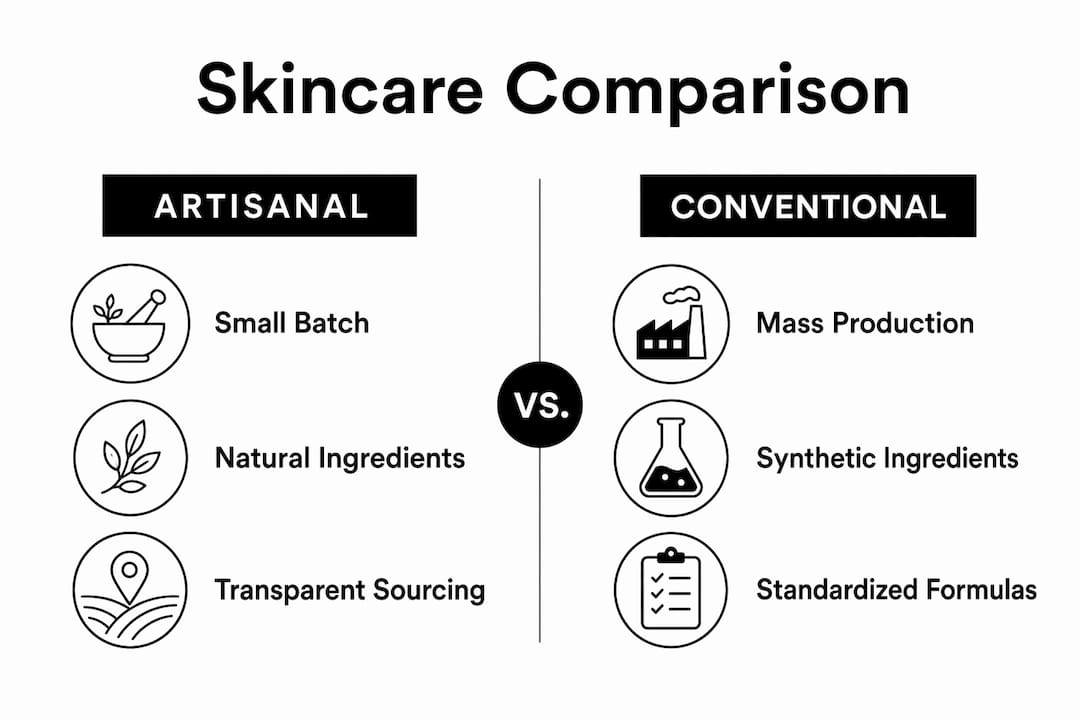
| Feature | Artisanal Skincare | Conventional Mass-Market |
|---|---|---|
| Batch size | Small, traceable runs | Large-scale, standardized |
| Ingredient focus | Natural, ethically sourced actives | Synthetic, cost-optimized blends |
| Transparency | Full ingredient origin disclosure | INCI list only, minimal sourcing detail |
| Preservation | Natural antimicrobials, formula design | Synthetic preservative systems |
| Shelf life | Typically shorter, 6–18 months | Extended, often 24–36 months |
| Customization | Often possible | Rarely available |
The artisanal label focuses on superior ingredient quality and ethical sourcing rather than just the handmade process. A product made by hand using cheap synthetic ingredients is not artisanal. A product formulated with traceable botanicals, thoughtful preservation, and honest labeling is, even if some steps involve equipment.
Common misconceptions worth addressing directly:
- “Natural means safe for everyone.” Natural ingredients can cause allergies and sensitivities. Patch testing is always smart.
- “Artisanal means no preservatives.” It means thoughtful preservation, not absent preservation.
- “Handmade equals inconsistent.” Skilled artisanal formulators achieve strong batch consistency through careful process control.
- “Clean beauty and artisanal skincare are the same thing.” They overlap but are not identical. You can explore the clean beauty distinction for a fuller picture.
What are the real benefits of artisanal skincare?
The advantages of handcrafted skincare are genuine when the product is well-made. Here is what you can realistically expect:
- Fresher actives: Small-batch production means shorter time between formulation and your hands. Ingredient freshness and potency depend on formulation design and storage, but starting with fresh raw materials gives artisanal products a real head start.
- Fewer unnecessary additives: Without the need for extended shelf life or mass-market cost targets, artisanal formulators can skip fillers, synthetic fragrances, and texture agents that serve production rather than your skin.
- Ethical and environmental impact: Shorter supply chains, sustainable sourcing and lower production volumes reduce the environmental footprint of your skincare routine.
- Personalized experience: Many artisanal brands offer customization or small-run seasonal products that mass-market lines simply cannot match.
- Transparency you can verify: When a brand names its suppliers and explains its preservation strategy, you can make an informed choice. That level of accountability is rare and valuable.
Shelf life and storage do require your attention with artisanal products. Most well-formulated natural skincare products last 6–18 months. Store them away from heat and direct sunlight, and follow any specific guidance the brand provides.
Pro Tip: Look for artisanal brands that display a batch number, production date and best-before date on every product. Those three details signal that the maker takes quality control seriously.
Evaluating brands critically matters here. Marketing often oversimplifies formulations, so real product safety depends on a well-designed preservation strategy and proper consumer handling. Ask questions. Read labels. Trust brands that answer with specifics.
Key takeaways
Artisanal skincare delivers genuine value when it combines natural ingredient quality, ethical sourcing and scientifically sound formulation, not just a handmade label.
| Point | Details |
|---|---|
| Definition matters | Artisanal skincare means small-batch, natural-ingredient products with full transparency, not just anything handmade. |
| Preservation is non-negotiable | Safe artisanal products use natural antimicrobials, anhydrous formulas, or smart packaging to stay stable. |
| ISO 16128 is your guide | This standard defines natural, derived-natural, and organic ingredients so you can evaluate label claims accurately. |
| Shorter shelf life is normal | Expect 6–18 months for well-made artisanal products and store them properly to protect potency. |
| Ask before you buy | Brands that explain their sourcing and preservation strategy are the ones worth trusting. |
Why artisanal skincare is worth taking seriously
I have spent years watching the beauty industry cycle through trends, and artisanal skincare is one of the few that holds up under scrutiny. The reason is simple: the philosophy forces accountability. When you make 50 jars instead of 50,000, you cannot hide behind averages. Every batch either works or it does not.
What I find most compelling is the formulation honesty that good artisanal brands bring. They are not trying to hit a $3 cost-per-unit target, so they can actually use the ingredient at the concentration that does something. That is a meaningful difference for your skin.
The limitation I always flag is this: the word “artisanal” has no legal definition in the United States. Anyone can use it. So your job as a consumer is to look past the label and ask the questions that reveal whether the brand actually lives the philosophy. Batch numbers, supplier names, preservation explanations. Those are the signals that separate genuine craft from clever marketing.
The future of this space is exciting. Green chemistry and nanoemulsion research are proving that natural ingredient formulas can achieve the stability and bioavailability that consumers need. Artisanal skincare does not have to choose between “natural” and “effective.” The science is catching up to the philosophy, and that is a very good thing.
— T
Discover artisanal skincare done right
If this article has you thinking more carefully about what goes into your skincare products, you are already asking the right questions. The Holistic Science Co. was built on exactly those questions: where do these ingredients come from, how is this formula preserved and does this product actually do what it says?
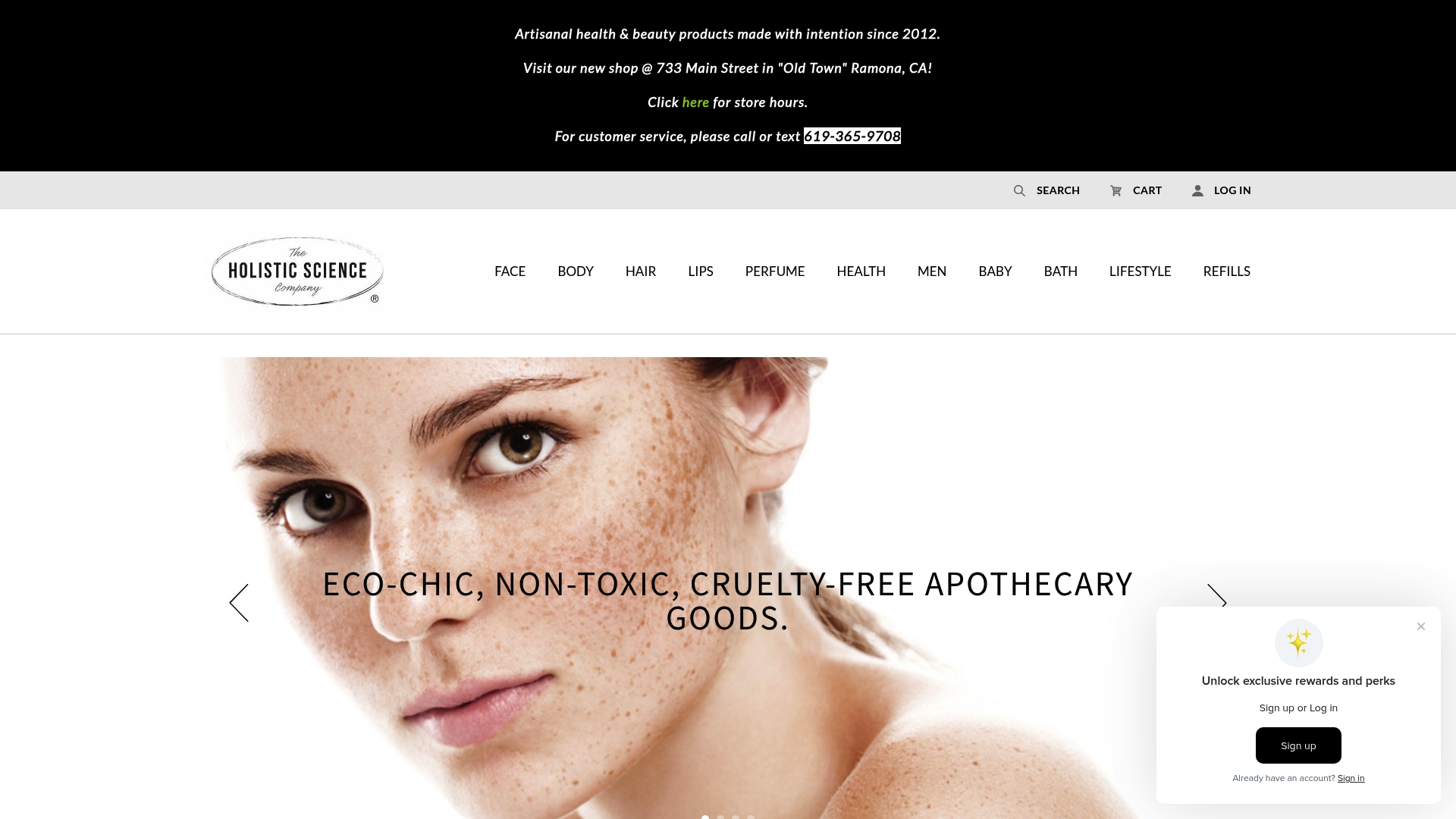
Every product at Theholisticscienceco.com is crafted in small batches using ethically sourced natural ingredients, with full transparency on formulation and preservation. You will find nourishing body butters, botanical serums, and skin-loving blends designed to soothe, protect, and genuinely care for your skin. Explore the full range and see what thoughtful, honest artisan beauty care feels like on your skin.
FAQ
What is artisanal skincare in simple terms?
Artisanal skincare refers to beauty products made in small batches using premium natural ingredients, traditional crafting methods, and a strong commitment to ingredient transparency. The focus is on quality and accountability rather than mass production.
Are artisanal skincare products actually safer than conventional ones?
Not automatically. Safety depends on proper formulation and preservation, not just natural ingredients. Well-made artisanal products with sound preservation strategies are safe, but “natural” alone does not guarantee safety or stability.
How long do artisanal skincare products last?
Most well-formulated artisanal skincare products have a shelf life of 6–18 months. Anhydrous products like balms and oil serums typically last longer than water-based emulsions, which require more active preservation.
Is “chemical-free” artisanal skincare a real thing?
No. Every substance is a chemical, including water and plant oils. “Chemical-free” is a marketing phrase that oversimplifies formulation. What artisanal skincare genuinely offers is a preference for naturally derived ingredients over synthetic ones, with honest labeling to back it up.
Recommended
- Small Batch Beauty Products Explained: What You Need to Know - The Holistic Science Co.
- Your Simplified Skin Care Routine: 5 Steps That Work - The Holistic Science Co.
- What Is Clean Beauty? Your 2026 Ingredient Guide - The Holistic Science Co.
- Top 5 Cosmetics Vegan Alternatives 2026 - The Holistic Science Co.