
Types of Natural Skincare Ingredients: Your Full Guide
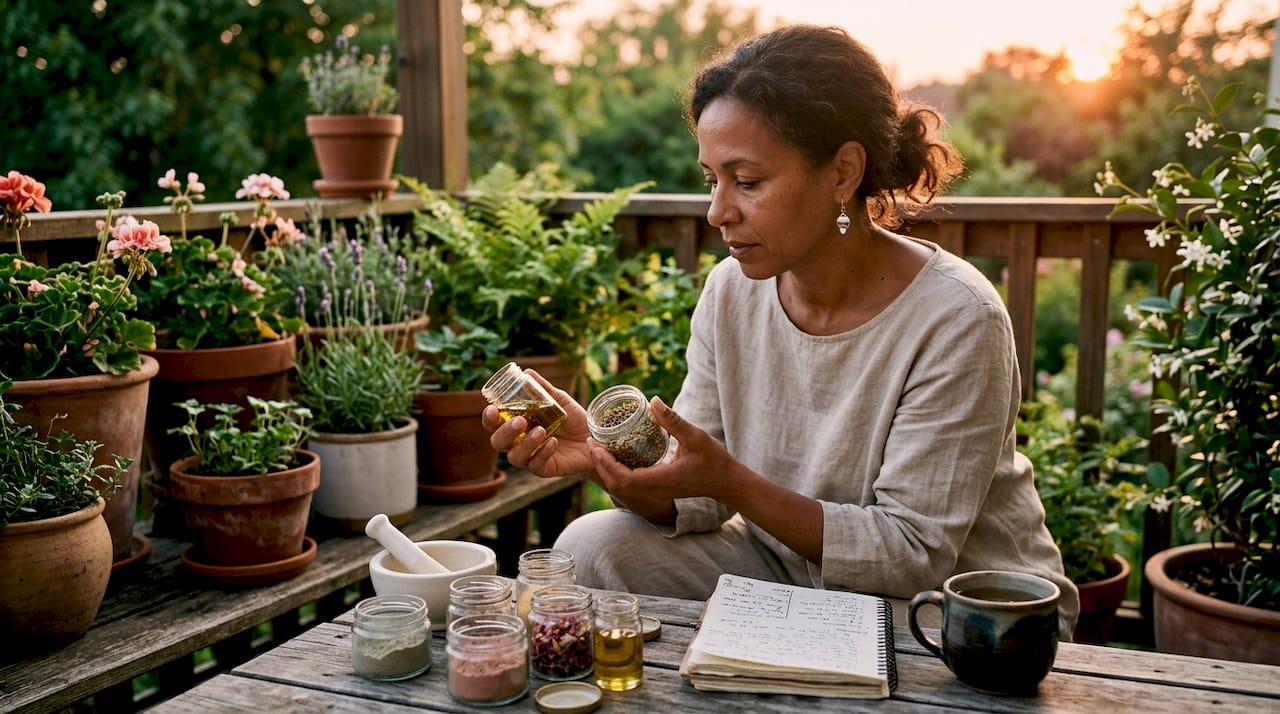
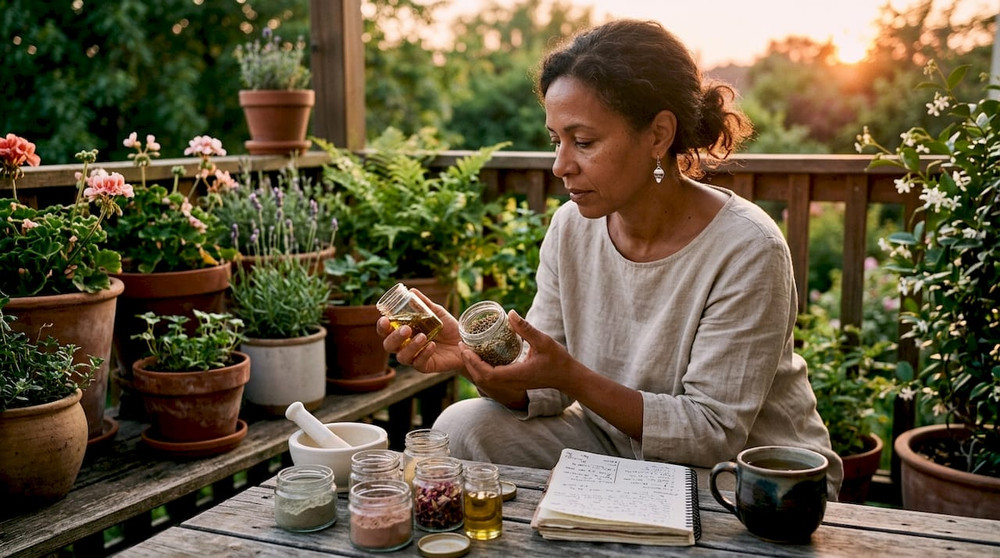
Natural skincare ingredients are defined as plant-derived, mineral, or animal-origin substances used to nourish, protect, and renew skin without synthetic chemical processing. The types of natural skincare ingredients span botanical oils like jojoba and argan, butters like shea and cocoa, waxes, herbal extracts, hydrosols and functional actives like clays and AHAs. Each category plays a distinct role in your skin’s health, and understanding how they work helps you build a routine that actually delivers results. This guide breaks down every major category, explains the science behind each one, and gives you practical ways to use them.
1. What are botanical oils and how do they benefit your skin?
Botanical oils are the backbone of natural skincare oils, and they work by delivering fatty acids, antioxidants, and fat-soluble vitamins directly into the skin’s lipid barrier. Carrier oils like jojoba and sweet almond oil provide sebum mimicry and fatty acids, making them compatible with nearly every skin type. Argan oil brings vitamin E and oleic acid, while rosehip seed oil delivers beta-carotene and linoleic acid for brightening and repair. These are not just moisturizers. They are active, nutrient-dense plant-based skincare options that feed your skin at a cellular level.
The way you apply botanical oils matters as much as which oil you choose. Applying oils to damp skin enhances hydration by sealing in water molecules, while applying them to completely dry skin can actually increase transepidermal water loss. This single technique shift makes a measurable difference in how soft and plump your skin feels throughout the day.
Key benefits of botanical oils include:
- Jojoba oil: Structurally similar to human sebum, making it ideal for oily and acne-prone skin
- Sweet almond oil: Rich in oleic acid, deeply nourishing for dry and sensitive skin types
- Argan oil: High in vitamin E and polyphenols, excellent for anti-aging and barrier repair
- Rosehip seed oil: Packed with linoleic acid and vitamin A precursors, supports skin tone and texture
- Calendula-infused oil: Soothing and anti-inflammatory, perfect for reactive or irritated skin
Pro Tip: Always choose unrefined, cold-pressed oils when possible. Refining strips out the very phytonutrients that make botanical oils effective, and you end up paying for a fraction of the benefit.
2. How natural butters and waxes protect and moisturize your skin
Natural butters and waxes are the occlusive layer of any well-formulated natural skincare product. They sit on top of the skin and physically prevent moisture from escaping, which is exactly what you need after applying a hydrating serum or toner. Shea butter and cocoa butter are the two most widely used botanical butters, and both are rich in stearic and oleic acids that soften and condition the skin barrier.
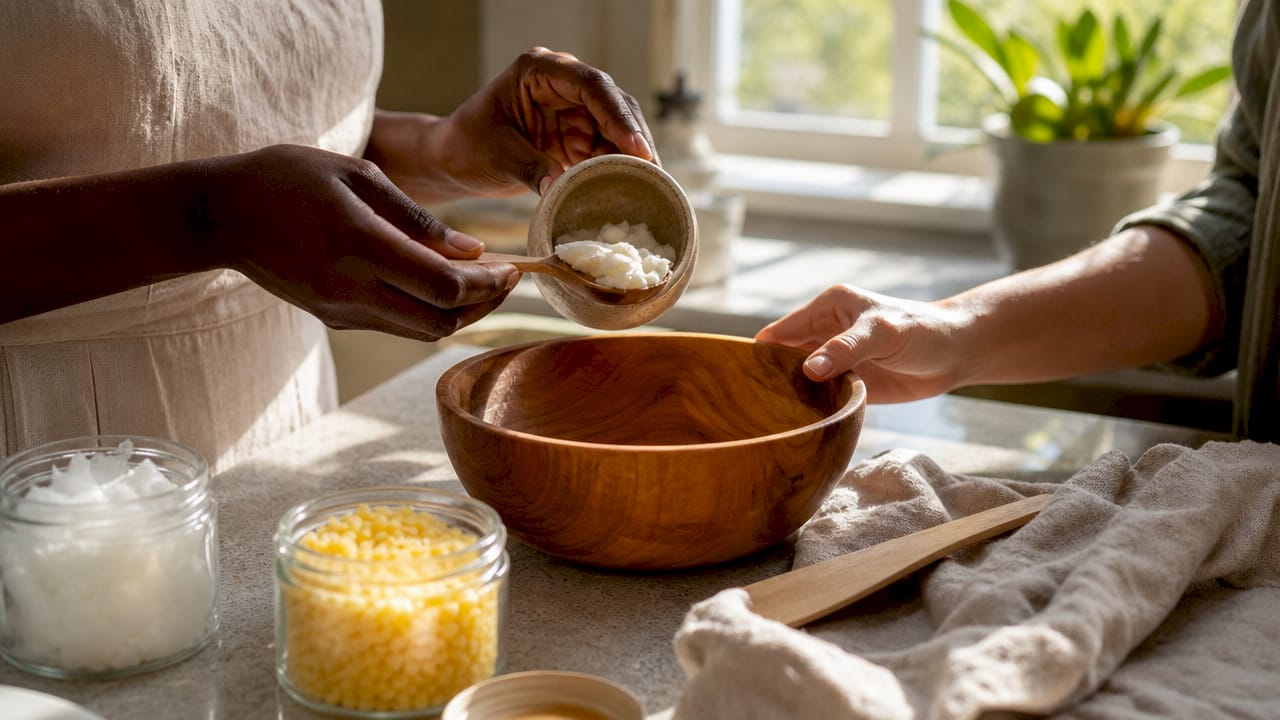
Waxes like beeswax add structure and a protective film to balms, lip products, and salves. They are not absorbed into the skin the way oils are. Instead, they create a breathable seal that holds everything else in place. This is why beeswax is the go-to ingredient in any well-made lip balm or healing salve.
Here is a simple breakdown of the most useful butters and waxes:
| Ingredient | Primary function | Best for |
|---|---|---|
| Shea butter | Occlusion and nourishment | Dry, sensitive, and mature skin |
| Cocoa butter | Deep moisture and barrier repair | Very dry skin and stretch marks |
| Mango butter | Lightweight occlusion | Combination and normal skin |
| Beeswax | Structure and protective film | Balms, salves, and lip products |
| Candelilla wax | Vegan wax alternative | Lip products and stick formulations |
One of the most rewarding things about natural butters is how well they work in homemade skincare recipes. A simple DIY balm combining 1 tablespoon of shea butter, 1/4 cup of infused oil, and 1/2 cup of grass-fed tallow creates a spreadable, nourishing balm with a shelf life of 6 to 12 months when stored properly. That shelf life matters because natural fats can go rancid and using a rancid product on your skin does more harm than good.
Pro Tip: Store your butter-based products away from direct sunlight and heat. A cool, dark cabinet extends shelf life significantly and keeps the texture smooth and consistent.
3. What botanical extracts and hydrosols add to your skincare
Botanical extracts are concentrated plant actives derived through processes like alcohol extraction, CO2 extraction, or glycerin maceration. They deliver targeted benefits that plain oils and butters cannot, including antioxidant protection, anti-inflammatory action, and skin brightening. Calendula extract soothes and repairs, green tea extract neutralizes free radicals, and aloe vera powder provides intense hydration and calming effects. These are the ingredients that make a natural formulation genuinely therapeutic rather than just moisturizing.
CO2 extracts are particularly potent because the supercritical carbon dioxide extraction method captures a fuller spectrum of phytochemicals than steam distillation or solvent extraction. Glycerites, which are plant extracts made with vegetable glycerin, are gentler and work beautifully in water-based formulations for sensitive skin.
Hydrosols, also called floral waters, are the aromatic water byproduct of steam distillation. Chamomile hydrosol calms redness and irritation. Lavender hydrosol balances and refreshes. Rose hydrosol tones and hydrates. These are not just pretty-smelling waters. They contain trace amounts of the plant’s essential oil compounds and are gentle enough to use directly on the skin as a toner or facial mist.
Key botanical extracts and hydrosols worth knowing:
- Calendula extract: Anti-inflammatory and wound-healing, ideal for sensitive or compromised skin
- Green tea extract: Potent antioxidant, protects against UV-induced oxidative stress
- Aloe vera powder: Humectant and soothing, excellent for sunburn and reactive skin
- Chamomile hydrosol: Calming and anti-redness, safe for daily use on all skin types
- Lavender hydrosol: Balancing and mildly antiseptic, great as a toner or setting spray
4. How functional ingredients like emulsifiers, preservatives, and exfoliants work
Functional ingredients are the unsung heroes of natural skincare formulations. They do not always deliver a visible skin benefit on their own, but without them, your products would separate, spoil or irritate your skin. Natural emulsifiers like BTMS-50 (derived from rapeseed) and lecithin (from sunflower or soy) allow oil and water to blend into stable creams and lotions. Without an emulsifier, you get a product that separates in the bottle and delivers uneven results on your skin.
Preservation is non-negotiable in any water-containing formulation. Natural preservatives such as vitamin E (tocopherol), rosemary antioxidant extract and certain botanical extracts protect anhydrous products from oxidation. Water-based products need broader-spectrum preservation and options like Leucidal Liquid (derived from radish ferment) or Naticide (a fragrance-based preservative) are popular in organic beauty ingredient formulations.
Natural exfoliants deserve their own spotlight because they work in two very different ways:
| Type | Examples | How it works |
|---|---|---|
| Chemical (AHA) | Lactic acid, glycolic acid, mandelic acid | Breaks cell bonds to brighten and resurface |
| Chemical (BHA) | Salicylic acid (from willow bark) | Clears pores and reduces blackheads |
| Physical | Kaolin clay, rice powder, oat flour | Detoxifies, absorbs oil, and gently buffs |
AHAs brighten skin by dissolving the bonds between dead skin cells, revealing fresher skin underneath. BHAs like salicylic acid are oil-soluble, meaning they penetrate into pores to clear congestion. Clays like kaolin and bentonite are excellent natural ingredients for acne because they absorb excess sebum without stripping the skin’s moisture barrier.
5. How to choose and combine natural ingredients for your skin type
Selecting the right plant-based skincare options starts with understanding what your skin actually needs rather than what a product label promises. Skincare routines should be personalized and adaptable, rotating ingredients to respond to changing skin conditions across seasons, stress levels and hormonal shifts. Treating your ingredient selection like a static checklist is the fastest way to plateau.
Here is a practical framework by skin type:
- Dry skin: Prioritize occlusive butters like shea and mango, paired with humectant-rich hydrosols and hyaluronic acid. Layer oils like sweet almond or avocado on top of damp skin for maximum moisture retention.
- Oily or acne-prone skin: Choose lightweight oils like jojoba or hemp seed, use kaolin clay masks weekly, and incorporate willow bark extract as a natural BHA. Avoid heavy butters that can clog pores.
- Sensitive skin: Stick to calendula, chamomile hydrosol, and oat-based ingredients. Avoid essential oils at high concentrations and always patch test new botanical extracts.
- Mature skin: Focus on antioxidant-rich oils like rosehip and sea buckthorn, combined with green tea extract and peptide-rich botanical actives. Shea butter and argan oil together make excellent best natural moisturizers for aging skin.
- Combination skin: Use lightweight emulsions with mango butter and jojoba, and target oily zones with clay while using richer oils on dry patches.
The benefits of natural skincare compound when you combine ingredients thoughtfully. A well-rounded routine might pair a green tea hydrosol toner with a rosehip oil serum and a shea butter balm as the final seal. That three-step sequence covers humectant, active, and occlusive functions without overloading your skin. You can also explore how your simplified skincare routine can be adapted as your skin changes through the year.
Key takeaways
The most effective natural skincare approach pairs the right botanical oil, butter, extract and functional ingredient for your specific skin type, applied in the correct order.
| Point | Details |
|---|---|
| Apply oils to damp skin | Sealing in water with an oil prevents moisture loss and boosts hydration results. |
| Choose cold-pressed, unrefined oils | Refining removes the phytonutrients that make botanical oils genuinely effective. |
| Use preservatives in water formulations | Any product containing water needs preservation to stay safe and effective. |
| Match ingredients to your skin type | Oily skin needs lightweight jojoba; dry skin needs occlusive shea and avocado oil. |
| Rotate ingredients seasonally | Adapting your formulation to changing skin conditions maintains long-term skin balance. |
What I have learned from years of working with natural ingredients
The single biggest mistake I see people make with natural skincare is assuming that “natural” automatically means effective. Formulation quality, sourcing, and concentration determine whether a botanical active actually does anything for your skin. A green tea extract at 0.01% concentration in a poorly preserved cream does nothing. The same extract at 2% in a well-formulated serum is genuinely protective.
I have been particularly excited watching Ayurvedic formulations gain recognition in the research space. A 15-day application of Kumkumadi Taila showed significant improvements in skin pigmentation, erythema, and elasticity, with researchers identifying nine active phytoconstituents including safranal, liquiritin and retinol. That is not folk medicine. That is measurable clinical data backing up what Ayurvedic practitioners have known for centuries.
My honest advice: start with one or two well-sourced ingredients, observe how your skin responds over four to six weeks, and build from there. The readers I see get the best results are the ones who treat their skincare like a practice rather than a product haul. Your skin will tell you what it needs if you give it the space to respond.
— T
Discover thoughtfully formulated natural skincare at The Holistic Science Co.
If you are ready to put these ingredients to work, The Holistic Science Co. has done the sourcing and formulating for you.
The Holistic Science Co. creates artisanal health and beauty products built around the same botanical oils, butters and herbal extracts covered in this guide. Every product is formulated with clean, sustainably sourced ingredients at concentrations that actually perform. Whether you are looking for a nourishing facial oil, a protective balm or a soothing botanical treatment, you will find natural skincare products crafted with real intention. Browse the full collection and find the formulation your skin has been waiting for.
FAQ
What are the main types of natural skincare ingredients?
The main types include botanical oils, natural butters and waxes, plant extracts, hydrosols, natural emulsifiers, preservatives and exfoliants. Each category serves a distinct function, from moisture retention to skin renewal.
Which natural oils work best for acne-prone skin?
Jojoba oil and hemp seed oil are the top choices for acne-prone skin because they are lightweight and structurally similar to human sebum, reducing the risk of clogged pores. Pairing them with kaolin clay and willow bark extract addresses both excess oil and congestion.
How do I know if a natural skincare ingredient is high quality?
Look for cold-pressed, unrefined oils and transparently sourced botanical extracts. Formulation quality and concentration matter more than a “natural” label alone, so check that active ingredients are listed at meaningful percentages.
Can I combine natural butters and oils in homemade skincare recipes?
Yes, and a simple combination of shea butter, infused oils and natural waxes creates a nourishing balm with a 6 to 12 month shelf life. Store anhydrous balms in a cool, dark place to preserve freshness.
How often should I change my natural skincare routine?
Rotating your ingredients seasonally is recommended, since skin needs shift with temperature, humidity and hormonal changes. Treating your routine as adaptable rather than fixed keeps your skin balanced and responsive over time.
Recommended
- Your Simplified Skin Care Routine: 5 Steps That Work - The Holistic Science Co.
- Top 5 Cosmetics Vegan Alternatives 2026 - The Holistic Science Co.
- Why Men Need Separate Skincare for Better Skin Health - The Holistic Science Co.
- How Diet Shapes Your Skin Appearance and Glow - The Holistic Science Co.