
The Role of Probiotics in Skincare: 2026 Guide
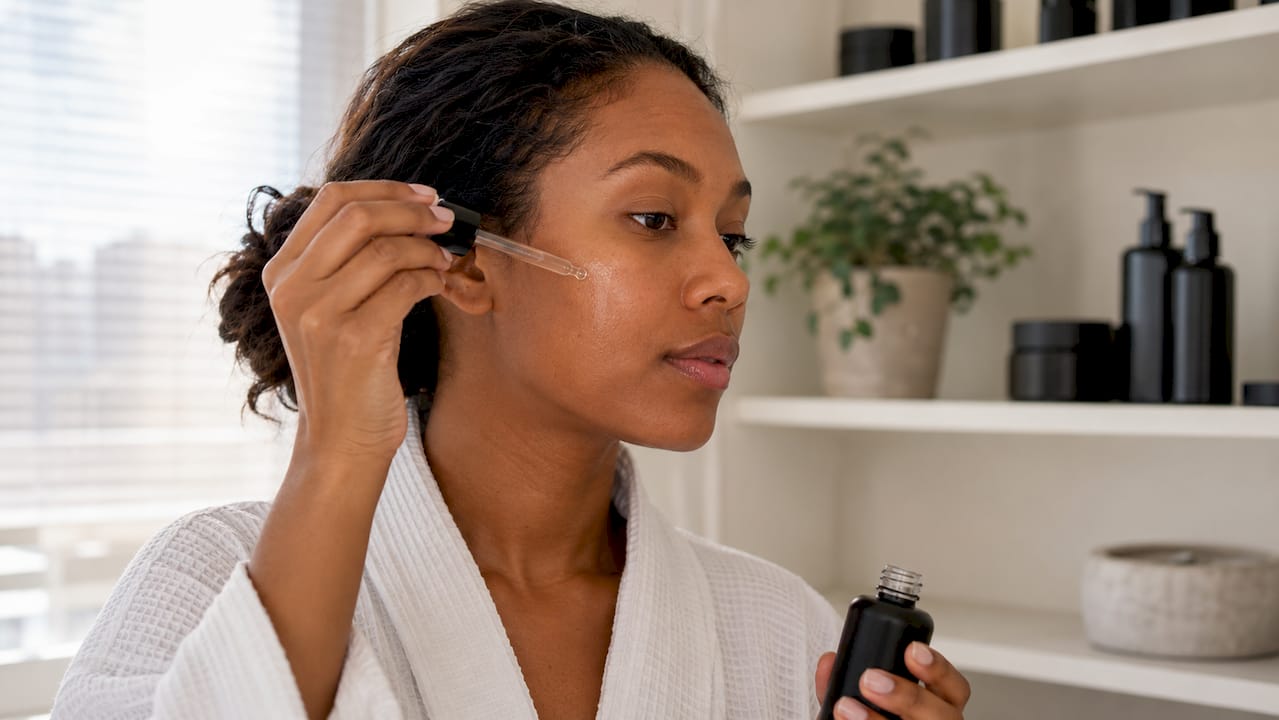
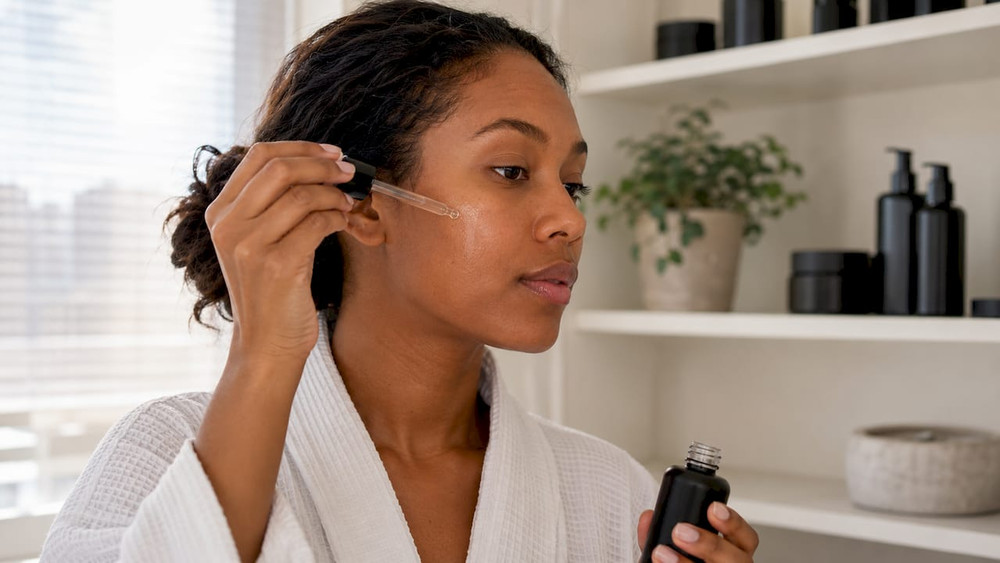
Probiotics are live microorganisms that balance the skin’s microbial ecosystem and reduce inflammation, making them one of the most studied ingredients in modern skincare. The role of probiotics in skincare extends far beyond surface hydration. These beneficial bacteria work both topically and orally to strengthen the skin barrier, calm reactive skin, and address conditions like acne and atopic dermatitis. Research published in 2026 confirms what dermatologists have suspected for years: a balanced skin microbiome is central to healthy, resilient skin. Whether you are dealing with breakouts, dryness, or early signs of aging, probiotics offer a science-backed path to real improvement.
How do probiotics improve acne and atopic dermatitis?
Probiotics reduce acne lesions by directly competing with harmful bacteria and calming the immune response that triggers breakouts. A systematic review found that probiotic use reduced total acne lesion counts by 45.2%, compared to 37% in control groups. That gap matters. It means probiotics are not just a passive add-on. They actively outperform standard care when used as an adjunct treatment.
The mechanism goes deeper than surface bacteria. Probiotics restore the skin’s barrier function, which is often compromised in acne-prone skin. A damaged barrier lets irritants in and moisture out, creating a cycle of inflammation. Probiotics interrupt that cycle by producing antimicrobial peptides and short-chain fatty acids that keep harmful microbes in check.
For atopic dermatitis, the evidence is equally compelling. A meta-analysis showed that probiotic supplementation significantly reduces the risk of atopic dermatitis in adults, with a notable effect size of 6.61. That is a strong signal for a condition that affects millions and resists many conventional treatments. Probiotics appear to modulate the immune response that drives the chronic itch-scratch cycle in eczema.
Key benefits for these two conditions include:
- Acne: Reduced lesion count, lower sebum production, and decreased redness
- Atopic dermatitis: Reduced flare frequency, improved barrier integrity, and less itching
- Both conditions: Calmer systemic inflammation through the gut-skin axis
Pro Tip: Probiotics work best as a complement to your existing dermatologist-prescribed routine, not as a replacement. If you are managing moderate to severe acne or eczema, add probiotics alongside your current treatment and track changes over 60 days.
Probiotics vs. prebiotics vs. postbiotics in skincare
These three terms appear on product labels constantly, but they describe very different things. Understanding the distinction helps you choose products that actually deliver results.
Probiotics are live microorganisms, typically strains of Lactobacillus or Bifidobacterium, that colonize the skin or gut and actively compete with harmful bacteria. Prebiotics are non-digestible fibers and compounds that feed beneficial bacteria already living on your skin or in your gut. Think of prebiotics as fertilizer for the good bacteria you already have. Postbiotics are the metabolic byproducts produced when probiotics ferment. They include fermented lysates, peptides, and organic acids that deliver benefits without requiring live organisms.
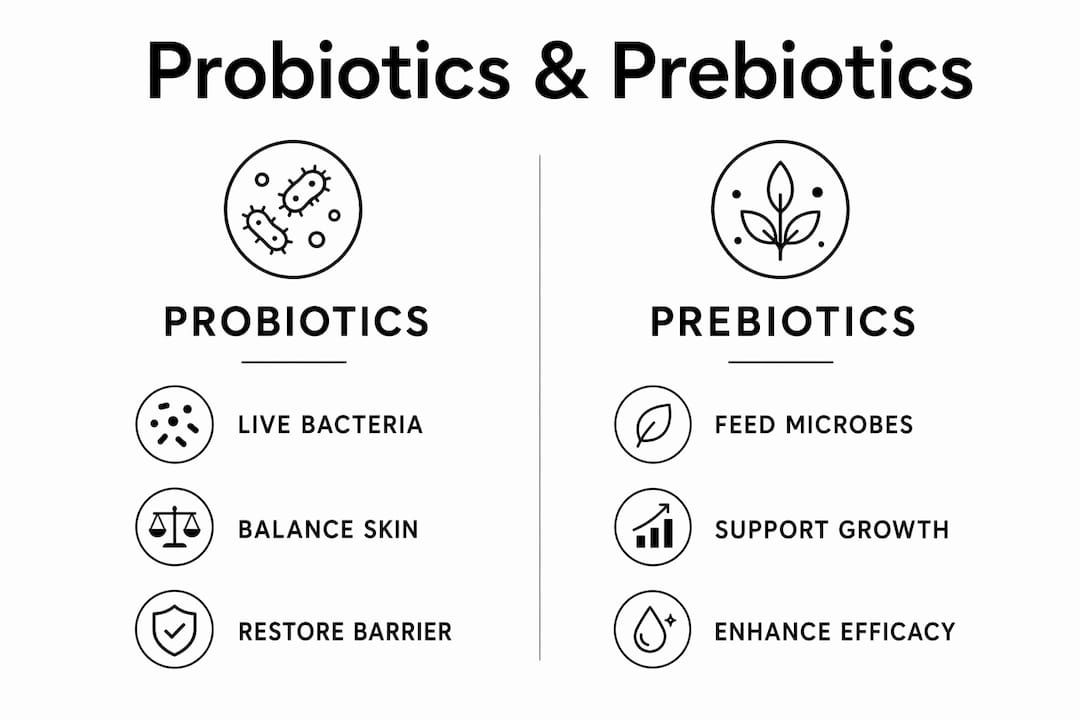
Here is how they compare in a skincare context:
| Biotic Type | What it is | Skincare application | Stability |
|---|---|---|---|
| Probiotic | Live bacteria | Balances skin microbiome directly | Requires careful formulation |
| Prebiotic | Bacteria food (fibers, sugars) | Feeds existing beneficial bacteria | Highly stable |
| Postbiotic | Fermentation byproducts | Delivers antimicrobial and hydrating effects | Very stable, no refrigeration needed |
Many topical products labeled as “probiotic” actually deliver their benefits through postbiotics like fermented lysates, because live cultures are notoriously difficult to keep viable in a jar or bottle. That is not a flaw. Postbiotics are effective, shelf-stable, and easier to formulate at consistent concentrations.
Prebiotics round out the picture by supporting the microbial community you already have. Ingredients like inulin and fructooligosaccharides appear in cleansers and serums to nourish the skin’s natural flora without introducing new organisms.
Pro Tip: When shopping for probiotic skincare products, look for the specific strain name or lysate listed on the ingredient label. Vague terms like “ferment filtrate” with no strain disclosure are a sign the product may not deliver meaningful microbial benefits.
What results can topical probiotic products deliver?
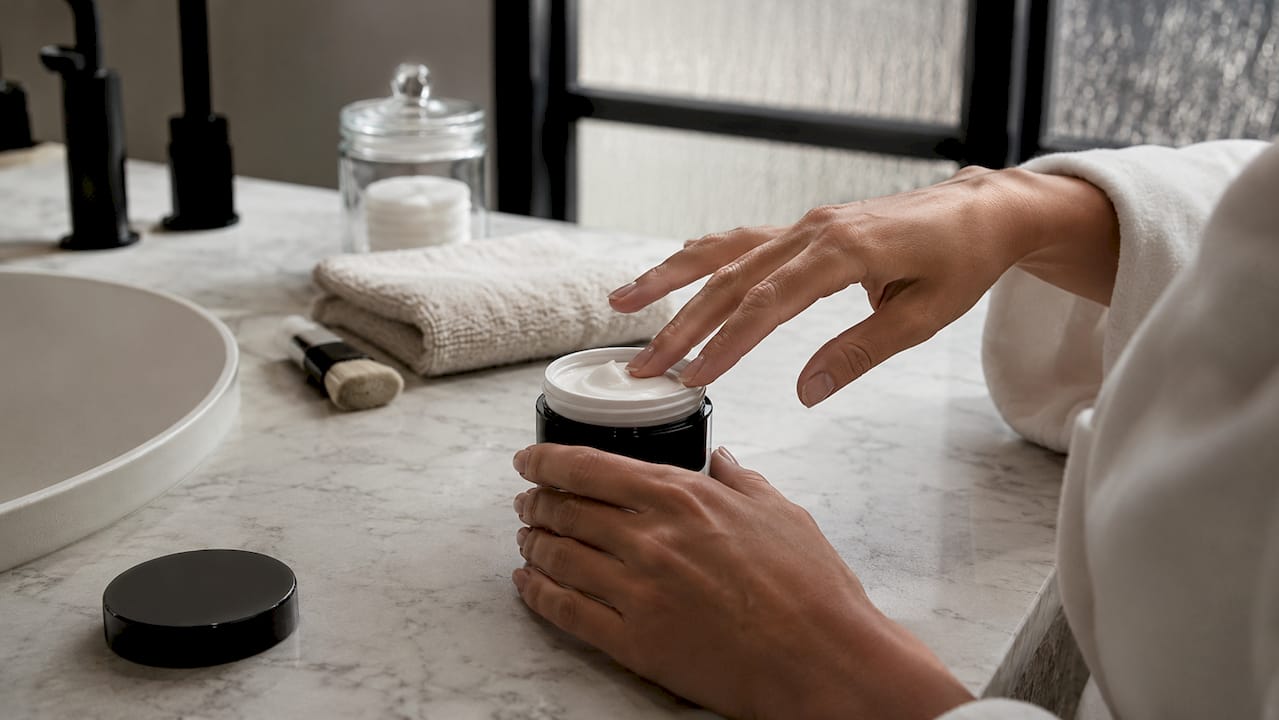
Topical probiotic and postbiotic products work by shifting the balance of bacteria on your skin’s surface. They do not scrub away bacteria like an antibacterial cleanser. Instead, they create conditions where beneficial microbes thrive and harmful ones struggle to survive. This approach preserves the skin’s natural defense system rather than stripping it.
A 2026 pilot trial using a topical cream with 3% lactic acid ferment lysate produced measurable results in 42 participants. After 60 days of twice-daily application, participants saw pore size decrease by 25%, sebum production drop by 31%, and skin hydration increase by 64%. Those are not subtle numbers. They reflect a genuine shift in how the skin regulates oil and retains moisture.
The timeline matters here. Visible improvements take up to 60 days of consistent use because the skin’s microbial community does not change overnight. You are essentially retraining a complex ecosystem. Patience and consistency are non-negotiable.
A few things to look for when choosing topical probiotic products:
- Lactic acid ferment lysate: One of the most researched postbiotic ingredients for oily and acne-prone skin
- Lactobacillus strains: Look for named strains like Lactobacillus rhamnosus or Lactobacillus acidophilus on the label
- Fermented ingredients: Fermented rice water, fermented green tea, and similar ingredients deliver postbiotic benefits with added antioxidant properties
One common misconception is that “live” probiotics in a serum or cream are always superior. In practice, microbiome-friendly cosmetics using fermented lysates show comparable microbiological benefits and improved hydration without the formulation challenges of keeping live cultures viable. The delivery method matters less than the quality and concentration of the active ingredient.
For best results, integrate a probiotic serum or moisturizer into your daily skincare routine after cleansing and before heavier creams or oils. Consistency beats intensity every time.
Can oral probiotics support your skin health?
Oral probiotics work through the gut-skin axis, a communication pathway between the gut microbiome and the skin. When your gut microbiome is out of balance, systemic inflammation rises. That inflammation shows up on your skin as redness, breakouts, and accelerated aging. Oral probiotics correct that imbalance at the source.
The evidence for oral probiotics and skin is growing steadily. Studies show that gut microbiota dysregulation worsens systemic inflammation that directly affects skin conditions. Oral probiotics reduce that inflammatory load, which translates to calmer, clearer skin over time. For atopic dermatitis specifically, oral supplementation has shown statistically significant reductions in severity scores.
Oral probiotics also support skin aging from the inside out. Probiotics stimulate collagen production, which improves skin elasticity and reduces the appearance of fine lines. Beyond that, research shows that probiotics support cellular senescence and maintain extracellular matrix integrity, which means they help preserve the structural scaffolding that keeps skin firm and smooth. That is a meaningful anti-aging benefit that goes well beyond what a topical product can achieve alone.
The gut-skin connection also explains why diet shapes your skin so visibly. Fermented foods like yogurt, kefir, kimchi, and sauerkraut deliver natural probiotic strains that support gut diversity. Supplements offer a more targeted approach, particularly for strains like Lactobacillus rhamnosus and Bifidobacterium longum, which have the strongest skin-related evidence.
Combining oral and topical approaches delivers the most complete results. Oral probiotics address inflammation from within while topical products rebalance the skin surface directly. The two routes are complementary, not interchangeable. If you are considering oral probiotic supplements for a specific skin condition, consult a healthcare provider to choose the right strain and dosage.
Key Takeaways
Probiotics improve skin health by balancing the skin microbiome, reducing inflammation, and strengthening the barrier through both topical and oral applications.
| Point | Details |
|---|---|
| Probiotics reduce acne lesions | Clinical data shows a 45.2% reduction in total lesion count, outperforming controls. |
| Postbiotics dominate topical products | Fermented lysates like lactic acid ferment lysate are more stable and equally effective as live cultures. |
| Results require 60 days | Consistent twice-daily application is needed before the skin microbiome shifts and visible improvements appear. |
| Oral probiotics work from within | They reduce gut-driven inflammation and stimulate collagen production, supporting clearer and firmer skin. |
| Combine both routes for best results | Oral and topical probiotics address different parts of the skin health equation and work best together. |
What I have learned from watching the probiotic skincare trend mature
The probiotic skincare category has moved fast, and not all of that movement has been in the right direction. Brands slap the word “probiotic” on a label and charge a premium, often without disclosing which strain or lysate they are using. That lack of transparency is the single biggest problem in this space right now. No standardized definition exists for “microbiome-friendly” labels in cosmetics, which means the term is essentially unregulated.
What actually works is simpler than the marketing suggests. A product with a disclosed postbiotic ingredient at a meaningful concentration, used consistently for two months, will outperform a trendy “live probiotic” serum with no strain information every single time. The science is clear on this. The consumer education is lagging behind.
The gut-skin axis is where I think the real opportunity sits. Most people focus entirely on topical products and ignore what they are eating and supplementing. Pairing a quality oral probiotic with a postbiotic serum is a genuinely different approach from just adding another product to your shelf. It addresses skin health as a systemic issue, which is what the research actually supports.
My honest advice: be skeptical of dramatic claims, read ingredient labels carefully, and give any probiotic product a full 60 days before judging it. Skin is slow to change. That is not a flaw in the product. It is just biology. Pair your probiotic routine with anti-aging strategies like LED light therapy for a more complete approach to skin integrity as you age.
— T
Discover probiotic skincare at Theholisticscienceco
Theholisticscienceco formulates artisanal skincare products with evidence-based ingredients, including postbiotic and probiotic-rich formulas designed to nourish and rebalance your skin. Every product reflects a commitment to ingredient transparency and real results you can feel.
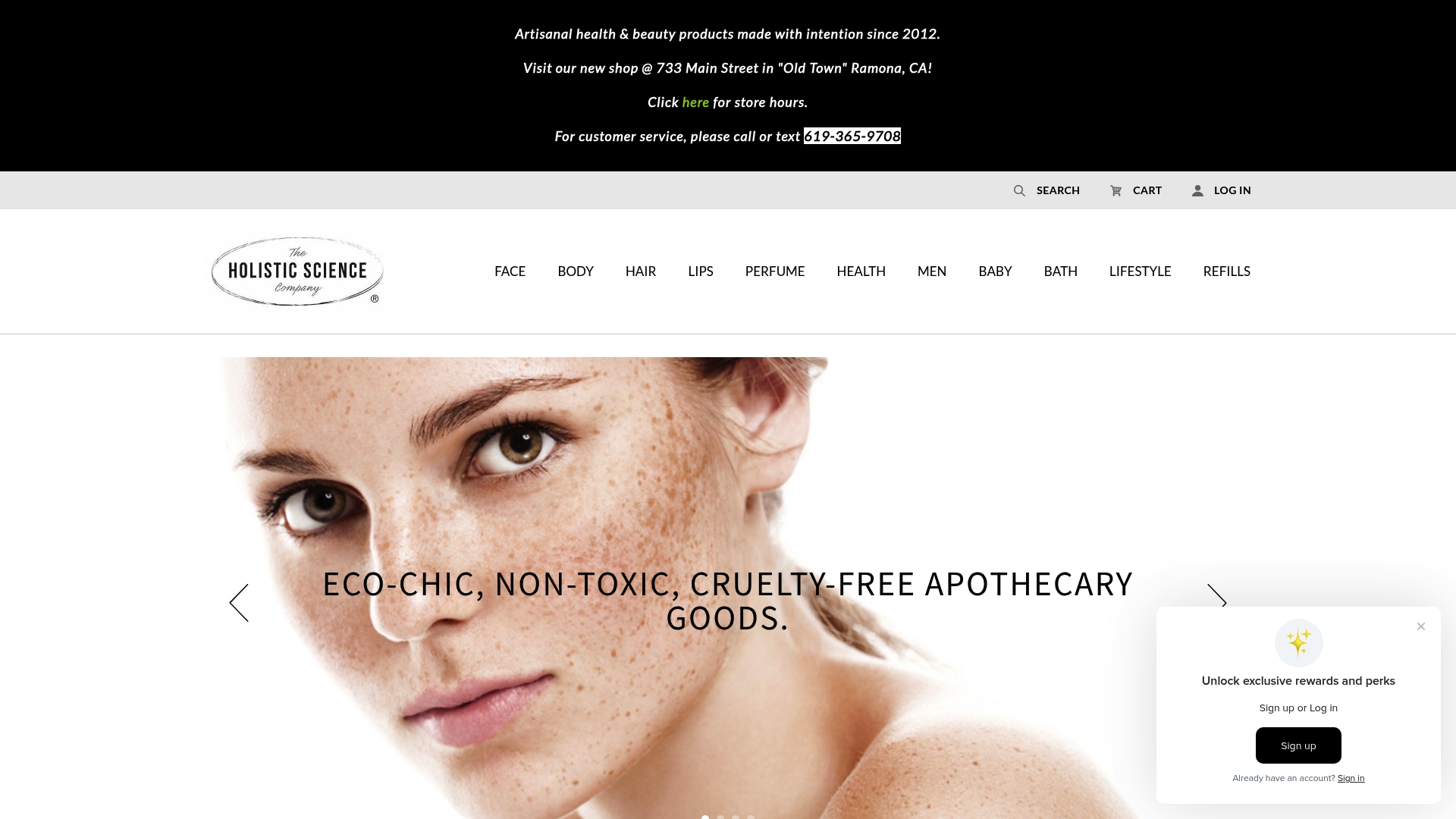
If you are ready to give your skin the microbiome support it deserves, explore the full range of probiotic skincare products at Theholisticscienceco. You will find formulations built around the same science discussed here, with ingredients you can actually read and trust. Your skin will thank you for it.
FAQ
What is the role of probiotics in skincare?
Probiotics balance the skin’s microbial ecosystem, reduce inflammation, and strengthen the skin barrier. They work both topically and orally to address conditions like acne, atopic dermatitis, and premature aging.
How long does it take to see results from probiotic skincare?
Visible improvements typically require up to 60 days of consistent twice-daily application. The skin microbiome shifts gradually, so patience is necessary before results become measurable.
Are topical probiotics or oral probiotics better for skin?
Neither is universally superior. Topical probiotics rebalance the skin surface directly, while oral probiotics reduce gut-driven systemic inflammation. Combining both approaches delivers the most complete skin health benefits.
What is a postbiotic and why is it used in skincare products?
A postbiotic is a fermentation byproduct, such as lactic acid ferment lysate, produced when probiotic bacteria metabolize nutrients. Postbiotics are shelf-stable and effective, making them the preferred ingredient in most topical probiotic formulations.
Can probiotics help with oily skin and large pores?
Yes. A 2026 clinical trial found that a topical cream with 3% lactic acid ferment lysate reduced pore size by 25% and sebum production by 31% after 60 days of use in 42 participants.
Recommended
- How Diet Shapes Your Skin Appearance and Glow - The Holistic Science Co.
- Types of Natural Skincare Ingredients: Your Full Guide - The Holistic Science Co.
- How to Layer Skincare Products Correctly in 2026 - The Holistic Science Co.
- What Is Clean Beauty? Your 2026 Ingredient Guide - The Holistic Science Co.