
Small Batch Beauty Products Explained: What You Need to Know
Small batch beauty products are cosmetics made in limited quantities with close, hands-on oversight at every stage of production, from ingredient sourcing to final packaging. This production model, often called artisanal or small-run cosmetics, stands apart from mass manufacturing by prioritizing freshness, ingredient integrity, and quality control over volume and speed. If you have ever wondered why some skincare feels noticeably more alive, more fragrant, and more effective than drugstore alternatives, the answer often comes down to how it was made. This article covers everything you need to know: ingredient quality, microbiological safety, environmental impact, and how to shop smart.
What are small batch beauty products, exactly?
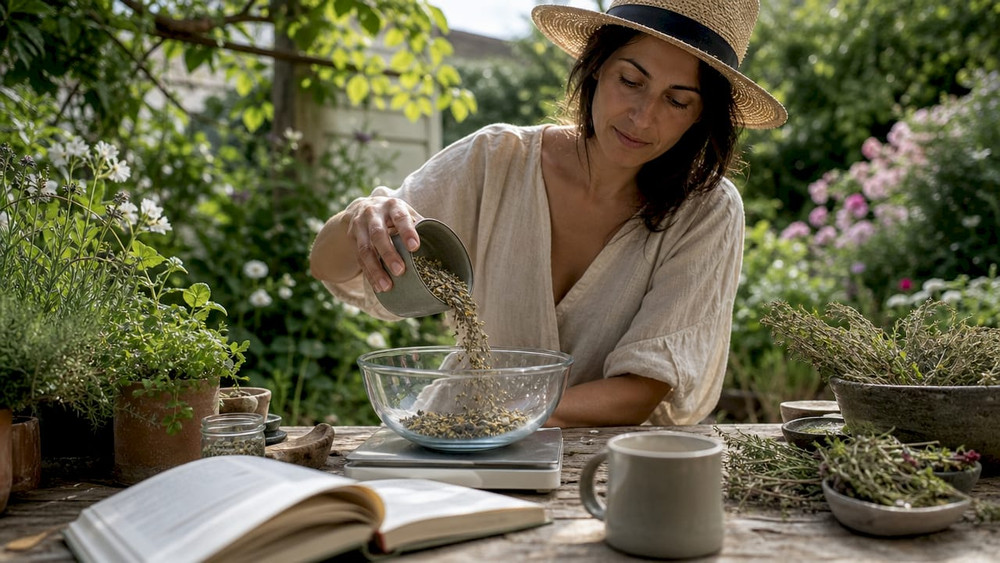
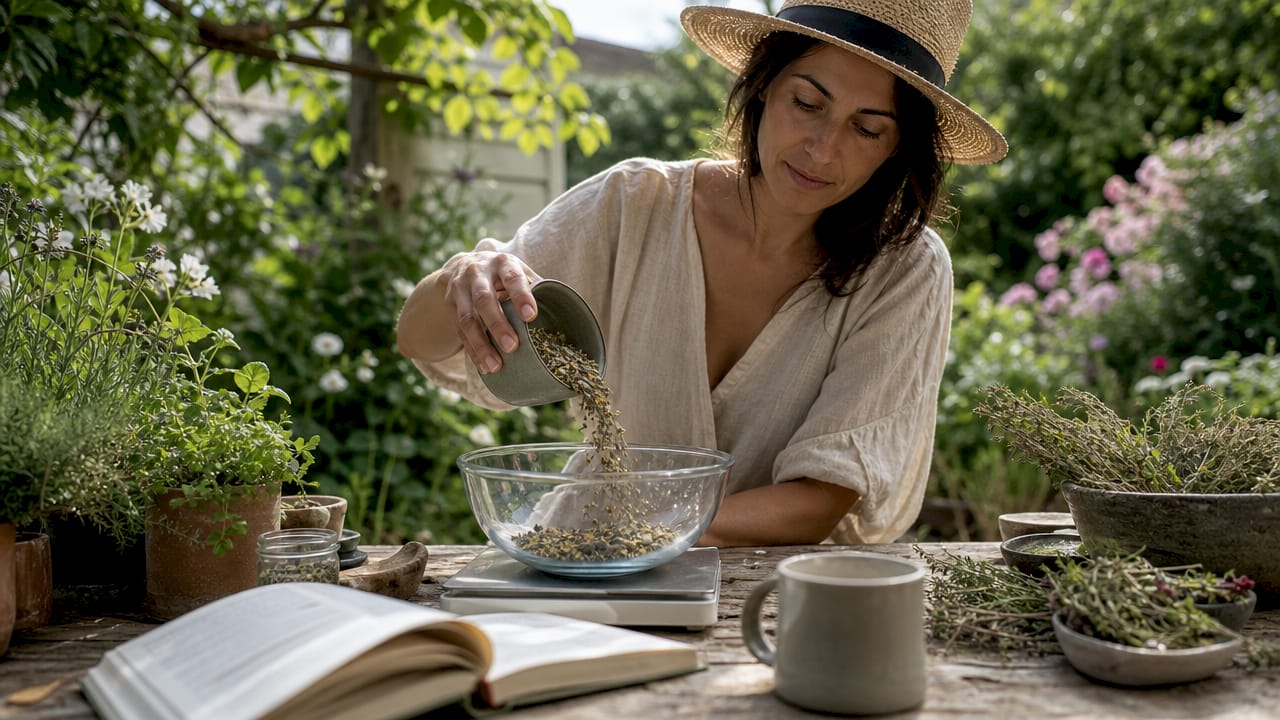
Small batch beauty products are defined by production scale and craftsmanship. Where a mass-produced moisturizer might be blended in thousands of liters at a time, a small batch equivalent is typically made in quantities of a few hundred units or fewer. That smaller scale allows the maker to monitor every variable: temperature during blending, the freshness of botanical extracts, the consistency of texture, and the integrity of scent.
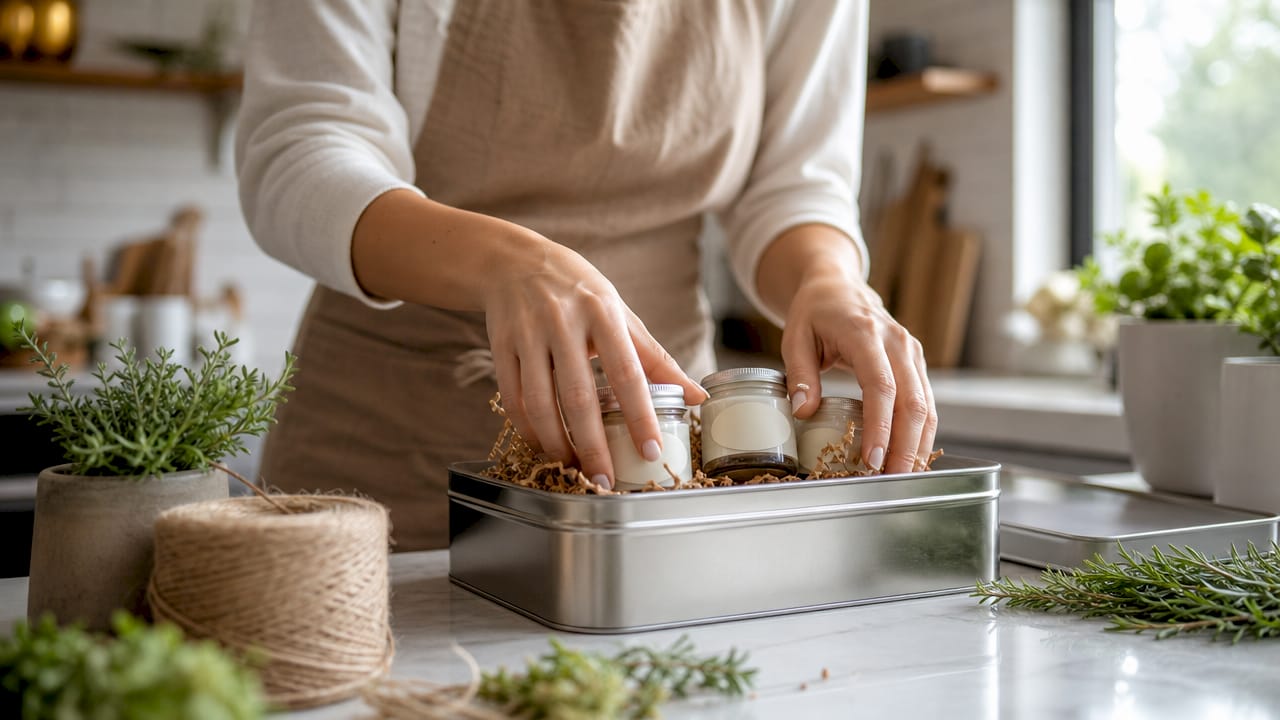
The industry term you will see alongside “small batch” is artisan cosmetics or handcrafted beauty. Brands like Theholisticscienceco operate in this space, formulating products where each ingredient is chosen deliberately and each batch is treated as its own small project rather than a production run. The result is a product that carries the maker’s attention in every jar or bottle.
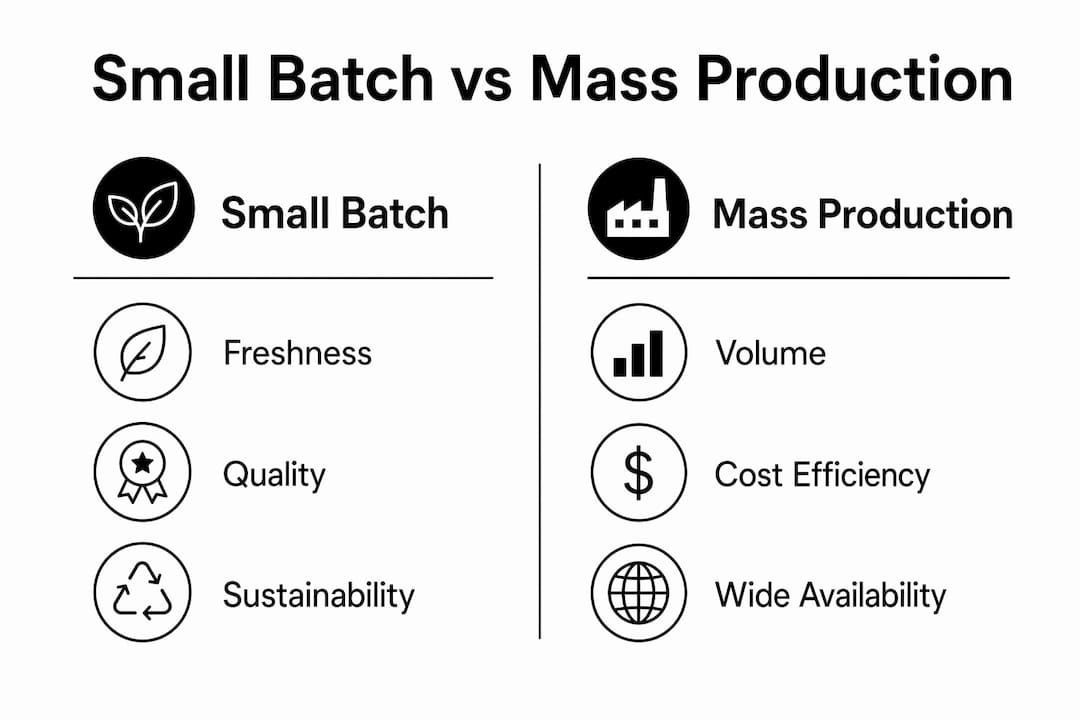
What separates this model from mass production is not just scale. It is philosophy. Mass manufacturers optimize for shelf stability, global distribution, and cost per unit. Small batch makers optimize for ingredient potency, sensory quality, and minimal waste. Those are genuinely different priorities, and they produce genuinely different products.
How small batch production improves freshness and ingredient quality
Controlled smaller batches enable fresher ingredients and better quality control over texture and scent compared to large-scale manufacturing. That finding matters because botanical ingredients, the plant oils, herbal extracts, and essential oils that give natural skincare its power, are fragile. Heat, air, and light degrade them. The longer they sit in a bulk tank waiting to be processed, the more their potency fades.
Small batch production protects these ingredients in several practical ways:
- Shorter time from blending to packaging means active botanicals spend less time exposed to oxidation.
- Temperature monitoring at every stage prevents the waxiness or graininess that can develop when a formula cools unevenly at industrial scale.
- Smaller mixing vessels allow the maker to catch texture or scent inconsistencies before they affect an entire product line.
- Direct sourcing from farms or specialty suppliers means ingredients arrive fresher and with better traceability.
Sensory attributes are maintained through careful monitoring of temperature and process stages like blending and cooling, which prevents the common industrial problems of waxiness and graininess. This is why a small batch body butter often smells and feels noticeably different from a mass-market version with a similar ingredient list. The formula may be comparable on paper, but the production experience is not.
Pro Tip: When you open a new small batch product, take a moment to notice the scent and texture before your first use. These sensory benchmarks help you recognize if a product has been stored incorrectly or is approaching the end of its shelf life.
The freshness advantage also extends to potency. A vitamin C serum made in small quantities and sold within weeks of production delivers more active ascorbic acid than one that has spent months in a warehouse. For consumers who invest in functional skincare, that difference is real and measurable.
What microbiological safety means for small batch cosmetics
Freshness and natural ingredients do not automatically mean safe. Water-containing cosmetics require effective preservatives and microbiological challenge testing to confirm safety over the product’s shelf life, regardless of batch size. This is one of the most misunderstood areas in the small batch and artisan beauty space.
Here is how microbiological safety works in practice:
- Challenge testing (ISO 11930) inoculates five reference microorganisms into the finished formula and measures microbial survival at days 7, 14, and 28. A product passes only if it demonstrates sufficient reduction in microbial counts across all five organisms.
- Preservative selection must account for the product’s pH, water activity, and packaging format. Approved preservatives like phenoxyethanol and parabens are regulated under EU Cosmetics Regulation Annex V with defined usage limits.
- Raw material bioburden control is critical for preservative-free formulas. Every ingredient that enters the formula carries its own microbial load, and that load must be documented and managed.
- Packaging format directly affects contamination risk during consumer use. Airless dispensers and sealed tubes carry significantly lower contamination risk than open jars where fingers make direct contact with the product.
“Microbiological safety cannot be assumed from freshness alone without challenge testing and raw material control.” — GreenChem Finder, 2026
Claims of preservative-free small batch cosmetics often lack scientific validation and can mislead consumers. A product labeled “preservative-free” is not automatically safer. It may simply be untested. Responsible small batch brands invest in challenge testing and document their controls. When you are evaluating a brand, asking whether they conduct ISO 11930 testing is a completely reasonable question, and a confident answer is a strong trust signal.
The key factor in cosmetic safety is preservative efficacy, not batch size. A well-preserved mass-market product is safer than an untested “natural” small batch one. The best small batch brands understand this and treat safety testing as non-negotiable, not optional.
Environmental and ethical impacts of small batch beauty
Small batch production aligns with circular economy principles by limiting overproduction and encouraging sustainable packaging alternatives. This is one of the most compelling reasons consumers are shifting toward artisan beauty brands, and the environmental case is genuinely strong.
| Factor | Small batch production | Mass production |
|---|---|---|
| Overproduction waste | Minimal, made to order or in small runs | High, driven by forecast-based manufacturing |
| Packaging materials | Often recyclable, biodegradable, or refillable | Typically single-use plastic, optimized for cost |
| Ingredient sourcing | Direct from farms, traceable, often organic | Multi-tier supply chains, less traceability |
| Carbon footprint | Lower per unit due to local production | Higher due to global logistics and scale |
| Labor practices | Transparent, often fair trade or direct employment | Variable, harder to audit across supply chains |
The packaging difference is particularly significant. Many small batch and sustainable beauty brands use glass, aluminum, or compostable materials precisely because their production volumes make these options economically viable. A mass manufacturer running millions of units cannot easily switch to glass without enormous cost implications. A small batch maker producing a few hundred units can make that choice without hesitation.
Ethical sourcing is another area where small batch brands tend to outperform. When a maker sources shea butter directly from a cooperative in Ghana or lavender from a family farm in Provence, they know exactly who grew it, how it was harvested, and what they were paid. That traceability is nearly impossible to replicate at industrial scale.
Pro Tip: Look for brands that name their ingredient suppliers or share sourcing stories on their website. Vague claims like “ethically sourced” without specifics are a signal to dig deeper before buying.
The environmental benefits of choosing small batch skincare are real, but they require verification. Greenwashing exists in this space just as it does in mass beauty. The brands worth supporting are the ones that show their work.
How to choose small batch cosmetics you can trust
Top small batch brands emphasize clear ingredient lists, ethical certifications, and sustainable packaging to build consumer trust. Knowing what to look for makes the difference between a genuinely artisanal product and a mass-market item dressed up in craft packaging.
Here is what to assess before you buy:
- Ingredient transparency: The full INCI (International Nomenclature of Cosmetic Ingredients) list should be visible on the product and website. If a brand hides behind “proprietary blend” language for basic skincare, that is a red flag.
- Batch dating and expiry: Authentic small batch products carry batch codes and clear expiry dates. Short shelf lives (6 to 12 months) are normal and actually indicate freshness, not poor quality.
- Packaging design: Airless pumps, dark glass, and sealed tubes protect formula integrity better than clear plastic jars. Good packaging is a sign the maker understands formulation science.
- Patch testing: Always patch test a new product on your inner arm for 24 to 48 hours before applying it to your face. Natural ingredients can still trigger reactions in sensitive skin.
- Price context: Higher unit production costs are inherent to small batch manufacturing. A price that seems too low for a genuinely artisanal product is worth questioning.
Budgeting for small batch beauty does not have to mean overhauling your entire routine at once. Start with one or two products where ingredient quality matters most to you, such as a facial oil or a body moisturizer, and evaluate the difference before expanding your collection. Understanding how diet shapes your skin alongside what you apply topically gives you a fuller picture of your skin’s needs.
Key takeaways
Small batch beauty products deliver genuine advantages in ingredient freshness, sensory quality, and environmental responsibility, but only when backed by proper safety testing and transparent sourcing.
| Point | Details |
|---|---|
| Freshness is a real advantage | Smaller batches protect botanical ingredients from heat, air, and oxidation during production. |
| Safety requires testing, not just freshness | ISO 11930 challenge testing is non-negotiable for water-containing products, regardless of batch size. |
| Environmental benefits are verifiable | Small batch brands can use sustainable packaging and traceable sourcing in ways mass producers cannot. |
| Transparency is the trust signal | Clear INCI lists, batch codes, certifications, and sourcing stories separate authentic brands from marketing. |
| Higher price reflects real cost | Small batch unit costs are genuinely higher; a suspiciously low price often signals a compromise somewhere. |
Why I think small batch beauty is worth the investment
I have spent years working with artisanal formulations, and the thing that strikes me most is not the ingredients themselves. It is the discipline required to make small batch production work properly. Anyone can buy a beautiful botanical oil and put it in a jar. The hard part is testing it, preserving it correctly, packaging it to protect it, and being honest about its shelf life.
The brands that do all of that well tend to produce products that feel genuinely different on your skin. There is a texture and a scent authenticity that mass production struggles to replicate, and that sensory experience is part of what makes a skincare ritual feel nourishing rather than transactional.
What I find most exciting right now is the shift in consumer expectations. People are asking harder questions about where ingredients come from, how products are tested, and what happens to the packaging afterward. Small batch brands are better positioned to answer those questions honestly because their supply chains are shorter and their processes are more visible.
My honest advice: do not let the craft aesthetic be the deciding factor. Let the safety documentation, the ingredient transparency, and the sourcing story be your guide. The best small batch beauty products are not just beautiful. They are rigorous.
— T
Discover The Holistic Science Co.’s small batch collection
If you are ready to experience what genuinely artisanal beauty feels like, The Holistic Science Co. is a great place to start. Every product in the collection is made in small batches with carefully sourced botanicals, transparent ingredient lists, and eco-friendly packaging that reflects a real commitment to sustainability, not just a marketing claim.
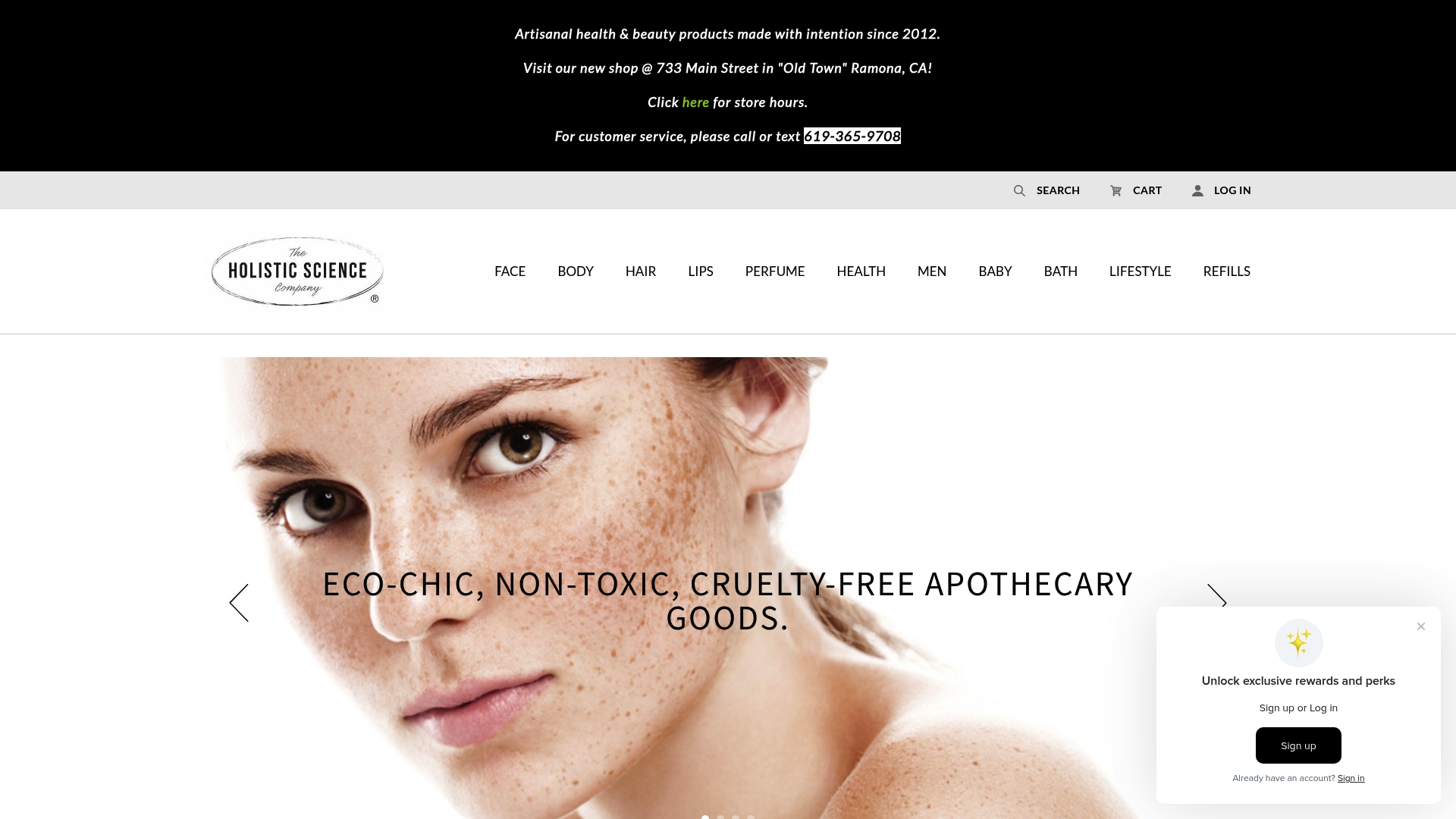
Whether you are new to small batch skincare or looking to expand a routine you already love, Theholisticscienceco offers handcrafted beauty products formulated with the same care and rigor this article describes. You will find clear batch information, honest shelf-life guidance, and products that genuinely nourish your skin. Browse the full collection and find what your skin has been waiting for.
FAQ
What does “small batch” mean in beauty products?
Small batch beauty products are made in limited quantities, typically a few hundred units or fewer per production run, with close oversight of ingredients, blending, and packaging. This scale allows makers to prioritize freshness and quality control over volume.
Are small batch beauty products safer than mass-produced ones?
Batch size does not determine safety. Water-containing products require ISO 11930 challenge testing and effective preservatives regardless of production scale. A well-tested mass-market product can be safer than an untested small batch one.
Why do small batch beauty products cost more?
Higher unit production costs are inherent to small batch manufacturing because there are no economies of scale. The price reflects real costs in ingredient quality, testing, and sustainable packaging rather than inflated margins.
What packaging should I look for in small batch skincare?
Airless pumps, dark glass bottles, and sealed tubes protect formula integrity better than open jars. Microbial contamination risk is significantly lower with packaging that limits direct contact and air exposure during use.
Recommended
- Why Men Need Separate Skincare for Better Skin Health - The Holistic Science Co.
- Top 5 Cosmetics Vegan Alternatives 2026 - The Holistic Science Co.
- How Diet Shapes Your Skin Appearance and Glow - The Holistic Science Co.
- The Holistic Science Co.