
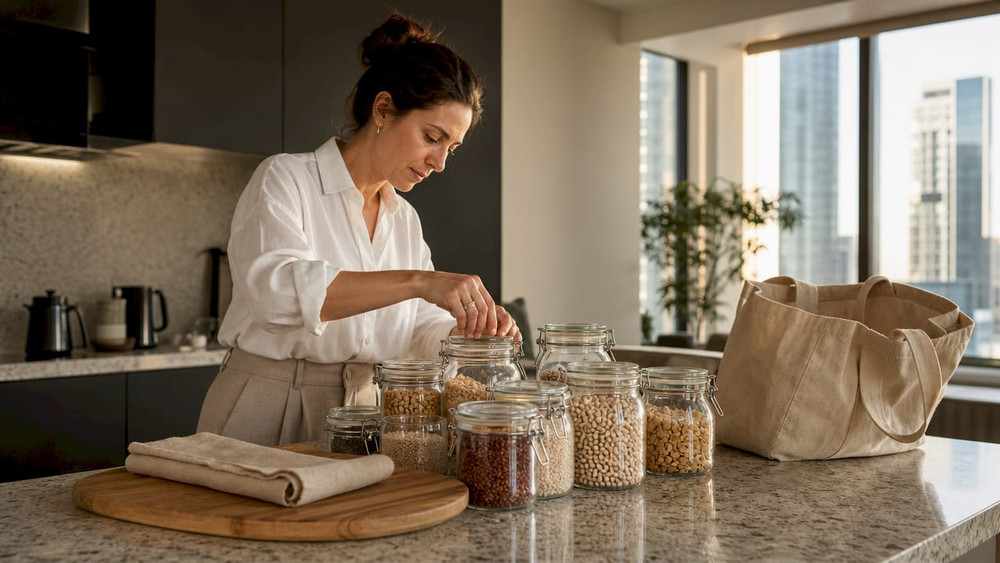
Reuse, Refill, Reduce: Your Practical Waste Guide
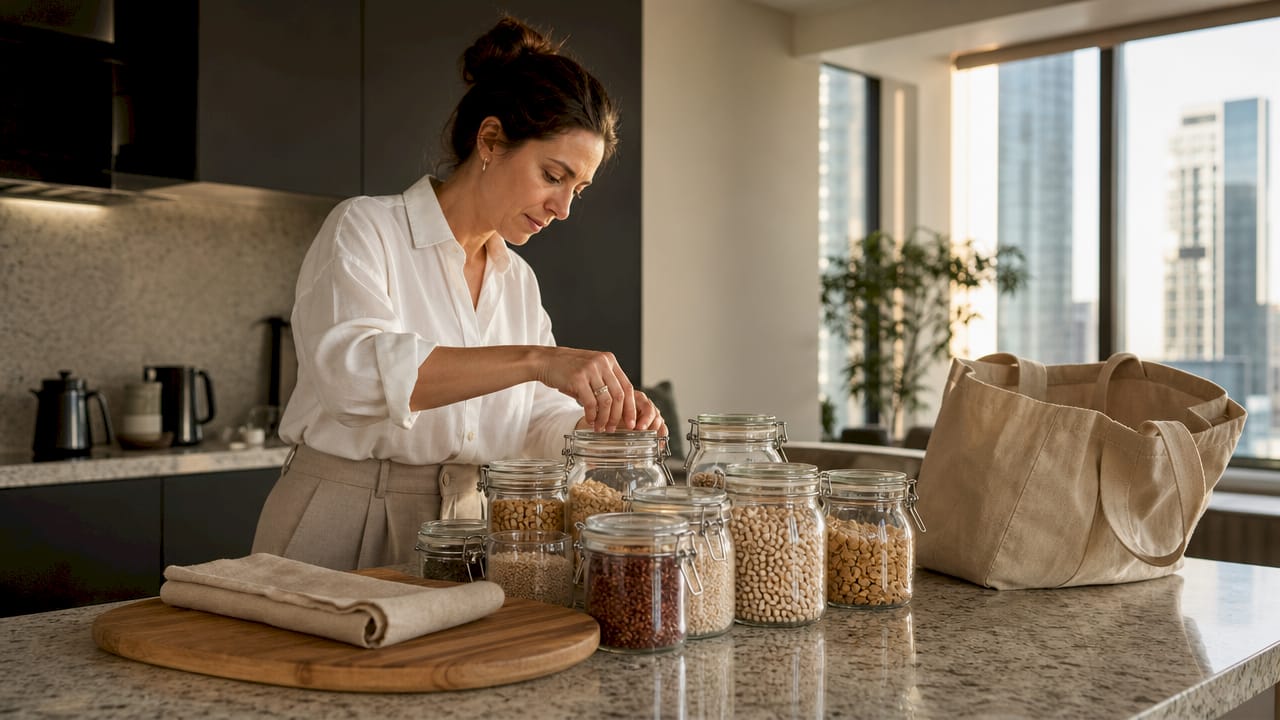
Reuse, refill, and reduce is a sustainability framework defined by three actions: using items repeatedly, replenishing products in existing containers, and consuming less overall. Together, these strategies prevent waste before it forms, which makes them far more effective than recycling alone. The Refill app, for example, connects people to 300,000 refill stations worldwide and has helped avoid over 100 million single-use plastic items as of march 2026. That scale proves the framework works when people actually use it. This guide gives you the practical steps to make reuse, refill, and reduce a natural part of your daily routine.
How to practice reuse effectively in daily life
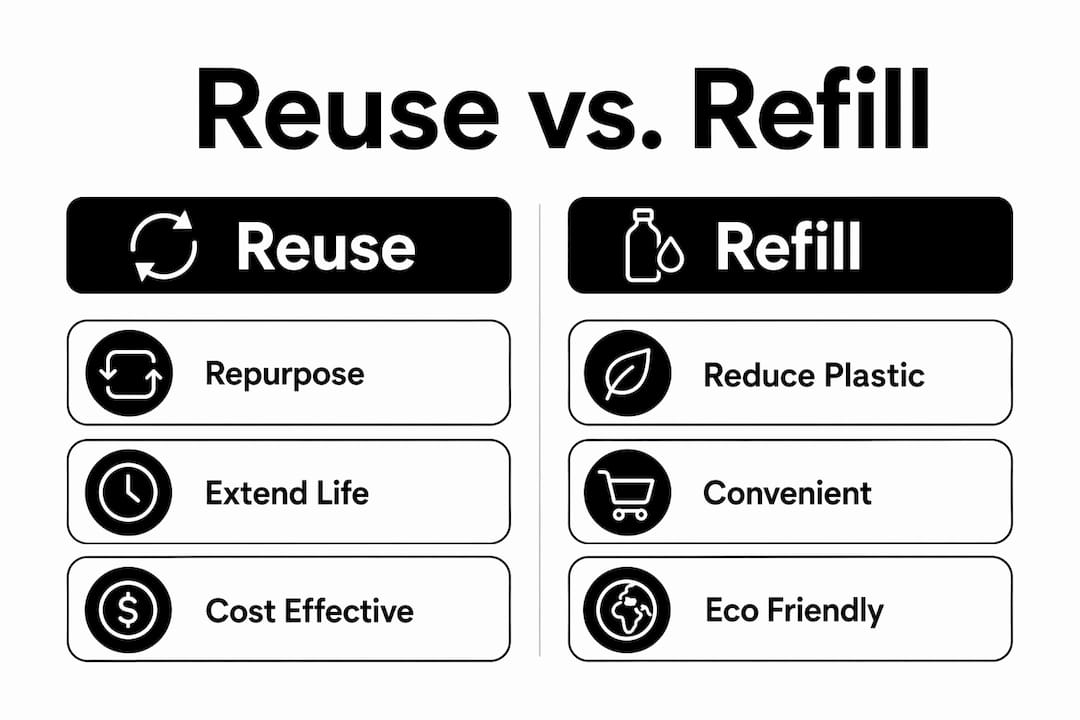
Reuse is defined as extending the life of an item by using it again, either for its original purpose or a new one. It differs from recycling because no processing is required. You keep the item in circulation as-is, which saves the energy and emissions that recycling demands.
The most impactful reuse habit is repurposing what you already own. Glass pasta jars work perfectly as food storage containers. Old cotton T-shirts become cleaning rags. A worn tote bag becomes a produce holder. Repurposing containers you already own is generally more sustainable than buying new reusable containers, because new items carry a manufacturing and shipping footprint before they ever reach your home.
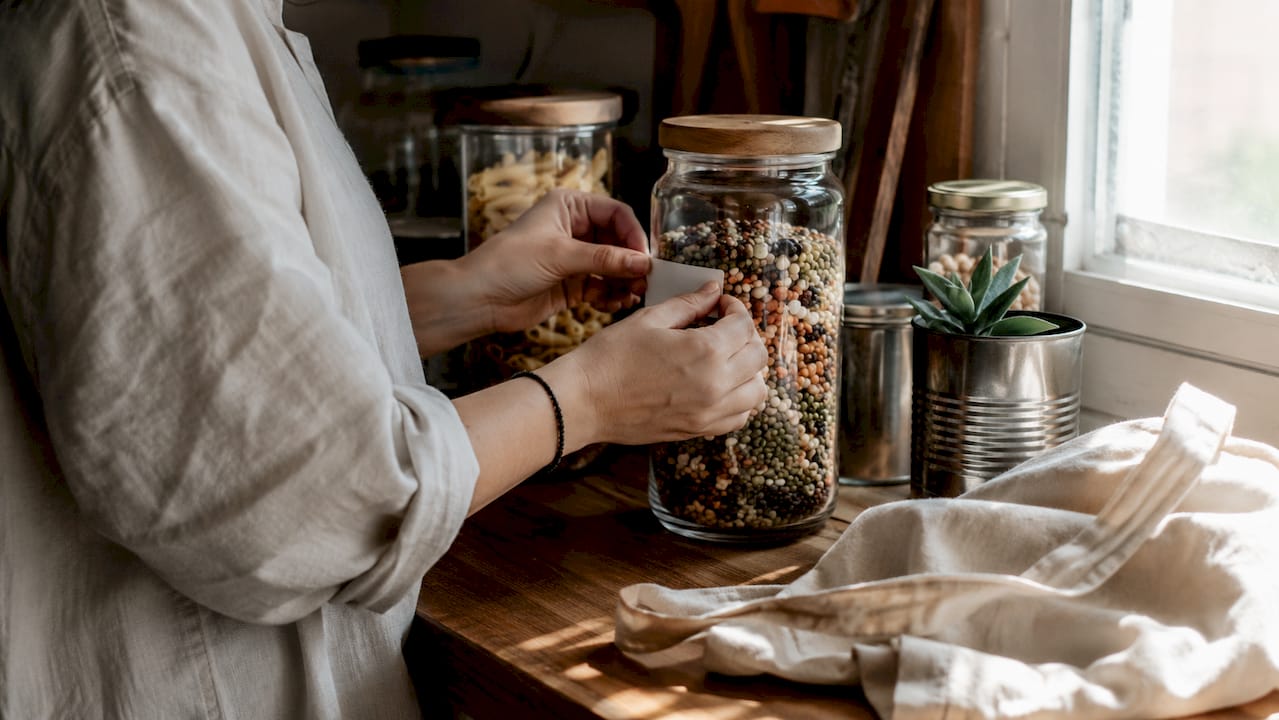
This point matters more than most people realize. Buying a new stainless steel water bottle, a bamboo cutlery set, and a set of beeswax wraps all at once adds manufacturing demand to the system. Sharing, borrowing, and repurposing existing items are more impactful sustainable actions than purchasing new eco-friendly products. Use what you have first.
Common reuse practices that require zero new purchases include:
- Replacing paper towels with cloth dish towels or cut-up old T-shirts
- Using glass jars for bulk food storage, leftovers or homemade sauces
- Bringing your own bag, container or cup to shops and cafes
- Reusing gift wrap, ribbons and packaging materials from deliveries
- Borrowing tools, books or appliances from neighbors instead of buying new
Pro Tip: Before buying any new eco-friendly product, ask yourself whether something you already own can do the same job. A mason jar is a refillable container. A cotton pillowcase is a produce bag. The greenest purchase is often no purchase at all.
What refill strategies actually reduce plastic waste?
Refilling is the practice of replenishing a product in a container you already own, rather than buying a new single-use package each time. It directly cuts plastic waste at the source. Soaps, shampoos, cleaning sprays, and personal care products are the highest-volume refillable categories in most households.
The Refill app is the most practical digital tool for finding refill stations near you. It maps locations where you can top up water bottles, cleaning products, and personal care items for free or at low cost. The app’s network spans grocery stores, pharmacies, cafes, and zero-waste shops across multiple countries.
Here is how to build a refill routine that actually sticks:
- Audit your top five repeat purchases. Identify the products you buy most often in single-use packaging. Dish soap, hand wash, laundry detergent, and shampoo are the usual culprits.
- Find your nearest refill point. Use the Refill app or search for local zero-waste stores that offer bulk refill stations for cleaning and personal care products.
- Designate refillable containers. Choose two or three durable bottles or jars for your most-used products and label them clearly.
- Combine refill trips with existing errands. Stop at a refill station on your way to the grocery store or pharmacy. Special trips for refills can create more transport emissions than single-use packaging produces, which cancels out the environmental benefit.
- Track your progress. Note how many plastic bottles you avoid each month. The visual record builds motivation.
Pro Tip: Keep your designated refill containers near your front door or in your car so they are always with you when you pass a refill station. Out of sight means out of routine.
Refillable personal care products are a natural fit for anyone already thinking about what goes on their skin. Choosing concentrated refillable formulas also means you use less product per wash, which stretches your budget and reduces packaging simultaneously.
How does reducing consumption complement reuse and refill?
Reduce means using fewer materials overall, not just switching to greener versions of the same products. It is the most upstream action in the framework, and it prevents waste from being created in the first place. The standard industry hierarchy places reduce above both reuse and recycling for exactly this reason.
Meal planning is one of the highest-impact reduction habits available to most households. Roughly 60% of global food waste stems from household shopping habits, leading to over 1 billion meals discarded daily. Planning meals for the week before you shop eliminates impulse purchases and cuts the food that ends up in the trash.
The “refuse” step also belongs here. Refusing unnecessary packaging and freebies is the strongest upstream waste-reduction action, more effective than recycling or reusing later. Saying no to a plastic straw, a promotional tote bag you do not need, or excess packaging at checkout prevents waste from entering your home entirely.
“Zero waste is best approached as an intentional system targeting repeat-purchase disposable items to reduce waste volume rather than perfect elimination of waste.” — Seattle Times
Practical reduction habits to build this month:
- Write a weekly meal plan before grocery shopping to avoid over-buying
- Unsubscribe from promotional mailings that arrive in plastic envelopes
- Decline single-use items at restaurants, hotels, and events
- Buy concentrated cleaning products that require less packaging per use
- Choose products with minimal or compostable packaging when options are equal
Habit change works best in focused trials. A 30-day trial period focused on one measurable sustainable habit vastly improves the chances of permanent behavior change. Pick one reduction habit, practice it for a month, then add the next.
Reuse vs. refill vs. reduce: which approach has the most impact?
Each strategy targets waste at a different stage, and combining all three produces far greater results than any one alone. The table below compares their core characteristics so you can see where each fits in your routine.
| Strategy | Environmental focus | Ease of entry | Common pitfall | Best starting point |
|---|---|---|---|---|
| Reuse | Extends product life, cuts manufacturing demand | High — uses what you own | Buying new “reusable” items | Swap paper towels for cloth rags |
| Refill | Cuts single-use plastic packaging | Medium — needs nearby station | Extra transport trips negate savings | Refill dish soap or hand wash |
| Reduce | Prevents waste generation entirely | Medium — requires planning | Impulse buys and freebies | Weekly meal planning |
The biggest trap across all three strategies is wish-cycling. Wish-cycling means placing uncertain items in recycling bins hoping they will be processed. It contaminates recycling streams and causes more harm than simply disposing of items correctly. Recycle only what your local system explicitly accepts.
Green purchasing is the second major pitfall. Buying a new bamboo toothbrush, a set of reusable silicone bags, and a stainless steel straw kit all at once is still consumption. The manufacturing and shipping footprint of those items is real. Reuse what you own, refill what you can, and reduce what you buy. That sequence, in that order, delivers the most meaningful results.
Zero waste living depends on millions of people adopting repeatable small habits, not on any single person achieving perfection. Small repeated actions aggregate into significant impact across a population.
Key takeaways
Reuse, refill, and reduce work best as a combined system: use what you own, replenish it at refill stations, and buy less overall to prevent waste at the source.
| Point | Details |
|---|---|
| Reuse before you buy | Repurpose jars, cloth, and containers you already own before purchasing new eco-friendly items. |
| Combine refill trips with errands | Stopping at a refill station during existing trips avoids extra transport emissions that cancel out savings. |
| Meal planning cuts food waste | Planning weekly meals before shopping directly addresses the 60% of food waste that comes from household habits. |
| Refuse first, reduce second | Declining unnecessary packaging and freebies prevents waste more effectively than recycling or reusing it later. |
| Build one habit at a time | A focused 30-day trial on one sustainable habit significantly improves the chance it becomes permanent. |
What I have learned from actually doing this
The advice that changed my thinking most was the one nobody leads with: stop buying new green products. When I started paying attention to sustainability, my first instinct was to replace everything. New reusable bags. New glass containers. A bamboo everything. That impulse is understandable, but it misses the point entirely.
The real shift happened when I started treating my existing kitchen as a zero-waste toolkit. Old jam jars became bulk food containers. A worn flannel shirt became a stack of cleaning cloths. Nothing new entered the house, and the waste dropped noticeably within weeks. That experience confirmed what the research shows: repurposing what you already own beats buying new eco-items every time.
Refilling took more planning, but the Refill app made it genuinely easy once I built the habit of checking it before errands. The key insight is that refilling only works when it fits into a trip you are already making. A dedicated drive to a refill store is not sustainable in the transportation sense, and it is also not a habit that lasts.
Reduction is the hardest of the three because it asks you to want less, not just swap products. Meal planning was the entry point that worked for me. Once I stopped over-buying food, the habit of intentional purchasing spread to other categories naturally. Start there. One habit, one month. The rest follows.
— T
Theholisticscienceco and the case for cleaner product choices
At The Holistic Science Co., the commitment to artisanal health and beauty products goes hand in hand with reducing packaging waste. Every product is crafted in small batches, which means less overproduction and less waste before a product even reaches you.

If you are already building reuse and refill habits in your home, your personal care routine is a natural next step. Choosing concentrated, refillable or minimal-packaging formulas for your skin and body care products extends the same principles you are applying in your kitchen. The Holistic Science Co.’s artisanal skincare range is designed with that mindset: nourishing ingredients, thoughtful formulation and a genuine respect for what goes on your skin and into the environment. Explore the full collection and see how your beauty routine can work with your green lifestyle choices, not against them.
FAQ
What does reuse, refill, reduce mean?
Reuse, refill and reduce is a waste-reduction framework that prioritizes using items repeatedly, replenishing products in existing containers and consuming fewer disposables overall. The goal is to prevent waste before it forms rather than managing it after the fact.
Is refilling products actually better for the environment?
Refilling is environmentally effective when it is part of an existing errand. Driving a special trip to a refill store can produce more transport emissions than the single-use packaging it replaces, so combining refill stops with regular shopping trips is the key.
How do I start reducing waste at home?
Start with one habit for 30 days, such as weekly meal planning to cut food waste. Sustainability experts recommend focused single-habit trials because they produce lasting behavior change far more reliably than overhauling everything at once.
What is wish-cycling and why does it matter?
Wish-cycling means placing items in recycling bins without knowing if your local system accepts them. It contaminates recycling streams and can cause more environmental harm than disposing of items correctly in general waste.
How is reuse different from recycling?
Reuse keeps an item in circulation without any processing, while recycling breaks a material down and remanufactures it. Reuse saves the energy and emissions that recycling requires, making it the more sustainable option when it is possible.
Recommended
- Your Simplified Skin Care Routine: 5 Steps That Work - The Holistic Science Co.
- What Is Clean Beauty? Your 2026 Ingredient Guide - The Holistic Science Co.
- Small Batch Beauty Products Explained: What You Need to Know - The Holistic Science Co.
- Top 4 Biodegradable Body Wash Alternatives 2026 - The Holistic Science Co.