

Insulin Resistance: What It Is and How to Manage It

Insulin resistance is a condition in which the body’s cells stop responding properly to insulin, causing blood sugar to rise and forcing the pancreas to work harder. Nearly 1 in 3 American adults have prediabetes linked to this condition, and most have no idea. The American Diabetes Association and the CDC both flag insulin resistance as a foundational driver of type 2 diabetes, cardiovascular disease and fatty liver disease. Because symptoms are often absent for years, early recognition is the most powerful tool you have. Understanding what drives this condition and how to address it gives you a real path forward.
What is insulin resistance and what causes it?
Insulin resistance is defined as the failure of muscle, fat and liver cells to take up glucose in response to insulin signals. When cells ignore insulin, the pancreas compensates by producing more. Over time, this overproduction exhausts the pancreas and blood sugar climbs into the prediabetic range.
The causes are multifactorial, and genetics plays a meaningful role. A family history of type 2 diabetes raises your baseline risk. But lifestyle factors amplify that genetic predisposition significantly, and they are also the most modifiable.
Dysfunctional adipose tissue is one of the clearest biological drivers. Excess abdominal fat releases inflammatory cytokines and free fatty acids that directly disrupt insulin signaling pathways. This is why waist circumference is a stronger predictor of metabolic risk than body weight alone.

Chronic stress compounds the problem. Elevated cortisol raises blood sugar and reduces insulin effectiveness, forcing the pancreas into overdrive. Sleep deprivation triggers the same cortisol response. A single week of poor sleep measurably reduces insulin sensitivity in otherwise healthy adults.
The main causes include:
- Excess visceral fat around the abdomen, which drives systemic inflammation
- Chronic stress and high cortisol, which raise blood sugar and blunt insulin response
- Sleep deprivation, which mimics the cortisol pattern of chronic stress
- Physical inactivity, which reduces the number of glucose transporters in muscle cells
- Genetic predisposition, which sets baseline sensitivity before lifestyle factors enter the picture
- Oxidative stress, which damages cell membranes and impairs glucose uptake
Pro Tip: Measuring your waist circumference at home gives you a fast, free indicator of visceral fat risk. For most adults, a waist above 35 inches (women) or 40 inches (men) signals elevated metabolic risk.
What are the symptoms and how is insulin resistance diagnosed?
Most people with impaired insulin sensitivity feel completely normal for years. That silence is what makes this condition so dangerous. Silent progression can span years before elevated blood sugar emerges, which means waiting for symptoms is a losing strategy.
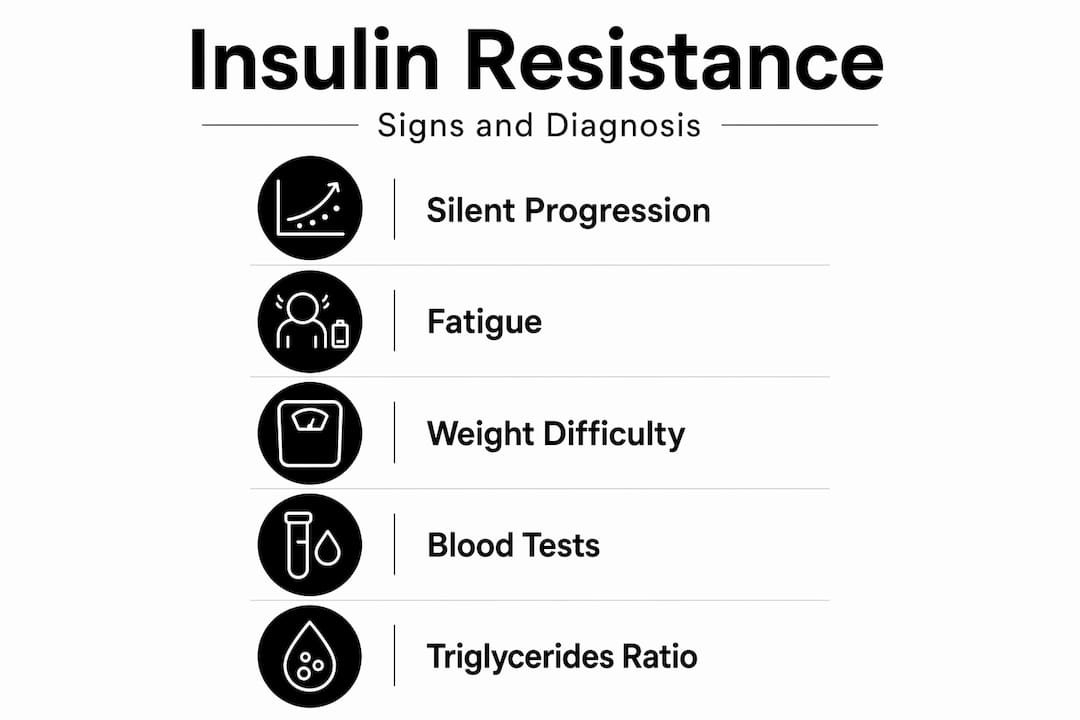
When signs do appear, they tend to be subtle and easy to dismiss. Fatigue after meals, difficulty losing weight despite a reasonable diet, and increased hunger shortly after eating are common early signals. A skin condition called acanthosis nigricans, which appears as dark, velvety patches in skin folds like the neck or armpits, is one of the more visible physical markers.
No single test definitively confirms insulin resistance. Clinicians use a combination of markers to build an accurate picture of metabolic health. Fasting glucose alone misses a large portion of cases because many people maintain normal fasting levels while still showing significant cellular resistance.
| Test | What it measures | Why it matters |
|---|---|---|
| Fasting glucose | Blood sugar after overnight fast | Baseline marker, but insufficient alone |
| HbA1c | Average blood sugar over 2–3 months | Reflects longer-term glucose control |
| Oral glucose tolerance test (oGTT) | Blood sugar response after glucose drink | Catches resistance missed by fasting tests |
| Lipid profile | Triglycerides, HDL, LDL levels | High triglycerides and low HDL signal resistance |
| Waist circumference | Visceral fat proxy | Strong clinical indicator of metabolic risk |
Pro Tip: Ask your doctor to include triglycerides and HDL cholesterol in your next blood panel. A triglyceride-to-HDL ratio above 3.0 is a reliable clinical signal of impaired insulin sensitivity, even when fasting glucose looks normal.
How does insulin resistance affect your overall health?
Impaired insulin sensitivity does not stay confined to blood sugar. It creates a cascade of systemic effects that raise risk across multiple organ systems. This is why researchers increasingly describe it as a silent pandemic rather than a single metabolic issue.
The most direct consequence is the progression toward type 2 diabetes. Without intervention, persistently high insulin demand eventually exhausts beta cells in the pancreas, and blood sugar control collapses. People with higher insulin sensitivity have about a 40% lower risk of developing impaired fasting glucose over roughly three years compared to those with the lowest sensitivity. That gap is meaningful and largely within your control.
The liver takes a serious hit. Excess glucose, lipids and hyperinsulinemia burden the liver, promoting non-alcoholic fatty liver disease and creating a tumor-favorable microenvironment that raises the risk of hepatocellular carcinoma. This connection between metabolic dysfunction and liver cancer is one of the most underreported consequences of long-term insulin resistance.
Cardiovascular risk rises in parallel. Chronic low-grade inflammation damages arterial walls, and elevated triglycerides combined with low HDL cholesterol accelerate plaque buildup. The result is a significantly higher lifetime risk of heart attack and stroke.
The systemic effects include:
- Prediabetes and type 2 diabetes from progressive beta cell exhaustion
- Non-alcoholic fatty liver disease driven by excess lipid accumulation
- Cardiovascular disease from chronic inflammation and dyslipidemia
- Increased cancer risk, particularly hepatocellular carcinoma
- Hormonal disruption, including polycystic ovary syndrome (PCOS) in women
- Cognitive decline, with emerging research linking insulin resistance to Alzheimer’s disease risk
How to improve insulin sensitivity through lifestyle changes
The most effective approach to managing impaired insulin sensitivity is a combination of consistent movement, quality sleep, dietary adjustment and stress reduction. Pharmaceutical intervention exists, but lifestyle modification produces durable results and addresses root causes rather than symptoms.
Exercise is the single most powerful lever. Clinical guidelines recommend 150 minutes of moderate exercise per week and 7–8 hours of sleep per night to support metabolic health. Moderate exercise increases glucose transporter expression in muscle cells, which means your muscles absorb blood sugar more efficiently without needing as much insulin.
Diet shapes insulin response at every meal. The goal is not a perfect diet but a consistent pattern that avoids blood sugar spikes. Prioritizing low carb fruits/vegetables, healthy fats and protein over refined carbohydrates and added sugars reduces the insulin demand placed on your pancreas throughout the day. How diet shapes your skin and metabolic health are more connected than most people realize, and the same dietary patterns that support insulin sensitivity also improve skin clarity and radiance.
Weight loss does not need to be dramatic to matter. A modest 5–10% reduction in body weight triggers measurable improvements in insulin sensitivity and reduces multiple risk factors simultaneously. That means a 180-pound person needs to lose only 9–18 pounds to see real metabolic benefit.
Here is a practical framework for improving insulin sensitivity:
- Move for 150 minutes per week. Brisk walking, cycling, swimming or resistance training all count. Consistency matters more than intensity.
- Prioritize 7–8 hours of sleep. Set a consistent bedtime and limit screens before bed. Sleep deprivation raises cortisol and undoes the metabolic benefits of exercise.
- Reduce refined carbohydrates. Replace white bread, sugary drinks and processed snacks with whole grains, vegetables, and legumes.
- Manage stress actively. Breathwork, walking in nature, and regular social connection all reduce cortisol. Even 10 minutes of daily mindfulness practice produces measurable stress reduction.
- Lose 5–10% of body weight if overweight. Small, sustainable changes compound over months. Crash diets spike cortisol and often worsen insulin sensitivity short-term.
- Track waist circumference monthly. It is a more sensitive indicator of metabolic progress than scale weight alone.
Pro Tip: Resistance training two to three times per week builds muscle mass, and muscle is your body’s largest glucose sink. More muscle means more places for blood sugar to go without insulin, which directly improves sensitivity.
Key Takeaways
Insulin resistance is a reversible metabolic condition that responds directly to consistent lifestyle changes, and early action prevents progression to type 2 diabetes and cardiovascular disease.
| Point | Details |
|---|---|
| Silent progression is the biggest risk | Most people have no symptoms for years, making proactive testing the only reliable early detection strategy. |
| Multiple tests beat one | Combining HbA1c, lipid profile, and oGTT gives a far more accurate picture than fasting glucose alone. |
| Visceral fat drives inflammation | Excess abdominal fat releases cytokines that disrupt insulin signaling at the cellular level. |
| Small weight loss creates big gains | Losing just 5–10% of body weight measurably improves insulin sensitivity and reduces disease risk. |
| Lifestyle changes are first-line treatment | Exercise, sleep, diet, and stress management address root causes and produce durable metabolic improvements. |
What I have learned from watching people manage this condition
The most common mistake I see is waiting for a dramatic diagnosis before taking action. People hear “your fasting glucose is normal” and assume everything is fine. But normal fasting glucose does not rule out insulin resistance. It just means the pancreas is still compensating. By the time fasting glucose rises, the condition has often been developing for a decade.
The second misconception is that managing this requires a complete life overhaul. It does not. The research is clear that modest, consistent changes outperform dramatic short-term efforts every time. A 20-minute walk after dinner, swapping one refined carbohydrate for a vegetable, and getting to bed 30 minutes earlier are not glamorous. But compounded over months, they shift your metabolic trajectory in a real and measurable way.
What I find most encouraging is the body’s capacity to recover. Insulin sensitivity is not fixed. It responds to how you treat your body, sometimes within weeks of making changes. That is genuinely good news. The path forward does not require perfection. It requires consistency and a willingness to pay attention to signals your body is already sending. Skin changes, energy patterns after meals, and sleep quality are all data points worth tracking. Paying attention to your skin care routine and overall self-care habits often reveals patterns connected to deeper metabolic health.
— T
The Holistic Science Co. and your metabolic wellness
Metabolic health and physical wellness are deeply connected, and The Holistic Science Co. approaches both with the same care and intention.

At The Holistic Science Co., the belief is that nourishing your body from the inside out starts with the right information and the right support. Whether you are looking to understand how natural ingredients soothe inflammation, support skin health affected by metabolic changes or simply build a daily wellness routine that feels good and works, the resources at The Holistic Science Co. are here to help. Explore guides on natural ingredients, nutrition and self-care practices that complement the lifestyle changes that genuinely move the needle on metabolic health.
FAQ
What is insulin resistance in simple terms?
Insulin resistance is when your body’s cells stop responding properly to insulin, causing blood sugar to rise. The pancreas compensates by producing more insulin, which works until it can no longer keep up.
Can insulin resistance be reversed?
Yes. Lifestyle changes including regular exercise, improved sleep, dietary adjustments and modest weight loss can significantly restore insulin sensitivity. A 5–10% reduction in body weight alone produces measurable improvements.
What are the early signs of insulin resistance?
Early signs include fatigue after meals, difficulty losing weight, increased hunger shortly after eating and dark skin patches in body folds called acanthosis nigricans. Many people, however, have no symptoms at all.
How is insulin resistance different from type 2 diabetes?
Insulin resistance is the underlying condition that precedes type 2 diabetes. In insulin resistance, the pancreas still compensates by producing extra insulin. Type 2 diabetes develops when the pancreas can no longer keep blood sugar in a normal range.
What is the best diet for insulin resistance?
A diet rich in low carb fruits/vegetables, healthy fats and protein reduces the insulin demand placed on the pancreas. Limiting refined carbohydrates and added sugars is the single most impactful dietary change for improving insulin sensitivity.
Recommended
- Benefits of Fasting: What Science Says in 2026 - The Holistic Science Co.
- How Diet Shapes Your Skin Appearance and Glow - The Holistic Science Co.
- Your Simplified Skin Care Routine: 5 Steps That Work - The Holistic Science Co.
- What Is Clean Beauty? Your 2026 Ingredient Guide - The Holistic Science Co.