
How Diet Shapes Your Skin Appearance and Glow
The role of diet in skin appearance is direct and measurable: what you eat influences your skin’s hydration, clarity, texture, and rate of aging at a cellular level. Dermatologists and nutrition researchers now treat food as a primary variable in skin health, not a secondary one. A meta-analysis of 94 studies confirmed that antioxidant-rich whole foods and supplements significantly increase skin hydration and reduce transepidermal water loss (TEWL), the key marker of a healthy skin barrier. That finding alone reframes the conversation: your plate is as relevant to your complexion as your cleanser.
How the role of diet in skin appearance works, nutrient by nutrient
Nutrition for healthy skin operates through four core mechanisms: neutralizing oxidative stress, controlling inflammation, supporting the skin’s moisture barrier, and correcting micronutrient deficiencies. Each mechanism maps directly to a category of nutrients, and understanding that map helps you make smarter food choices rather than chasing trends.
Antioxidants: your skin’s internal defense
Antioxidants are the most well-documented skin-enhancing nutrients in the research literature. Polyphenols, carotenoids, vitamin C, and vitamin E all work by neutralizing free radicals generated by UV exposure, pollution, and metabolic stress. Free radical damage degrades collagen and disrupts the lipid barrier, which is why antioxidant intake correlates so consistently with better skin texture and fewer visible signs of aging. Foods richest in these compounds include blueberries, pomegranate, green tea, sweet potato, spinach, and red bell pepper.
Vitamin C deserves special attention because it is both an antioxidant and a direct cofactor in collagen synthesis. Without adequate vitamin C, the body cannot produce stable collagen fibers, which means skin loses firmness faster. Citrus fruits, kiwi, and broccoli are reliable dietary sources. Vitamin E, found in almonds, sunflower seeds, and avocado, works synergistically with vitamin C to regenerate antioxidant capacity after UV exposure.
Omega-3 fatty acids and healthy fats
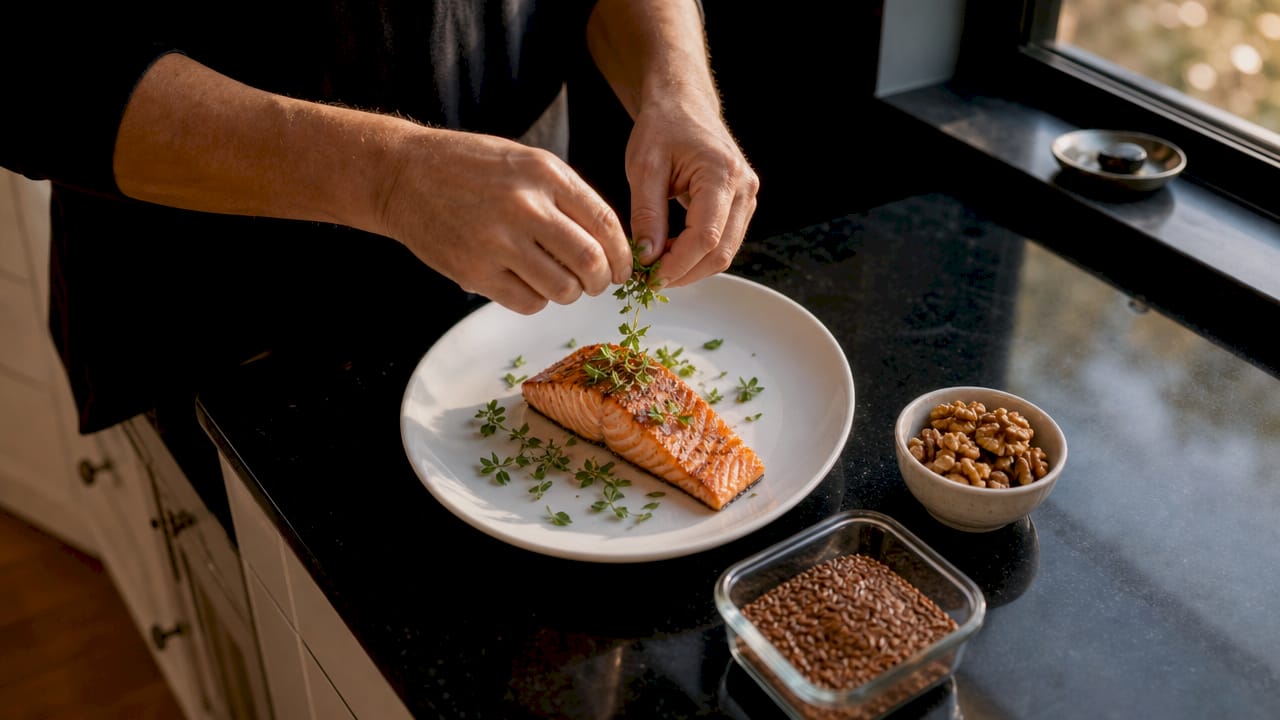
Omega-3 fatty acids, found in fatty fish like salmon and mackerel, as well as in walnuts and flaxseed, reduce the production of pro-inflammatory cytokines that trigger redness, breakouts, and accelerated skin aging. They also reinforce the lipid matrix of the skin barrier, which directly supports moisture retention. Skin that lacks adequate dietary fat tends to appear dull, feel tight, and lose elasticity faster than skin supported by consistent healthy fat intake.
| Nutrient | Primary role | Top food sources |
|---|---|---|
| Vitamin C | Collagen synthesis, antioxidant | Citrus, kiwi, bell pepper |
| Vitamin E | Barrier protection, UV defense | Almonds, sunflower seeds, avocado |
| Carotenoids | Photoprotection, skin tone | Sweet potato, carrot, spinach |
| Omega-3 fatty acids | Anti-inflammatory, barrier support | Salmon, walnuts, flaxseed |
| Polyphenols | Oxidative stress reduction | Blueberries, green tea, pomegranate |
Pro Tip: Pair vitamin C-rich foods with vitamin E sources in the same meal. The two nutrients regenerate each other’s antioxidant activity, giving you more protective benefit than either delivers alone.
How do low-glycemic and anti-inflammatory diets affect acne and aging?
The impact of diet on complexion goes well beyond individual nutrients. Dietary patterns, meaning the overall combination of foods you eat consistently, produce measurable effects on skin conditions like acne and visible aging. Two patterns have the strongest clinical support: low-glycemic-index eating and the Mediterranean diet.
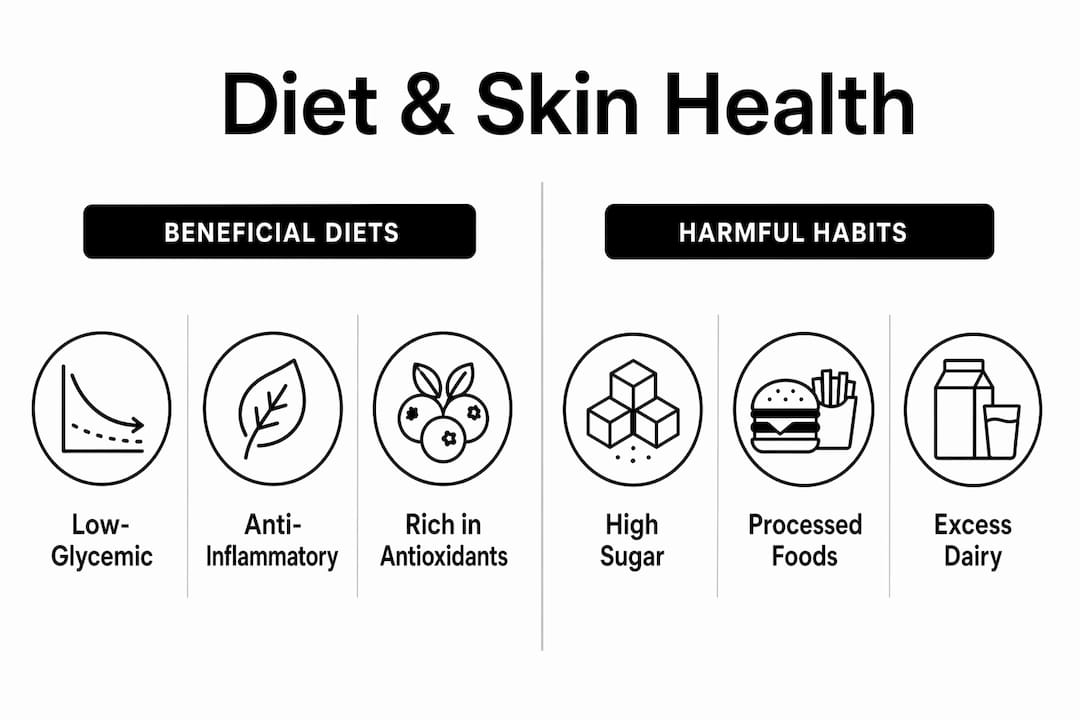
A 4-week clinical crossover study found that a low-glycemic-index, anti-inflammatory dietary intervention reduced acne severity in nearly 74% of participants, with mean acne severity scores dropping from 3.3 to 2.4. That is a clinically meaningful shift achieved through food alone, without any topical or pharmaceutical intervention. The mechanism runs through insulin and IGF-1 signaling: high-glycemic foods spike blood sugar, which triggers insulin release, which in turn stimulates sebum production and keratinocyte proliferation. Both outcomes feed acne directly.
The same insulin-driven pathway also accelerates skin aging. Dietary sugars and processed foods increase systemic inflammation and glycation, a process where sugar molecules bind to collagen fibers and make them stiff and brittle. Glycated collagen cannot remodel properly, which speeds the formation of fine lines and reduces skin resilience. Reducing refined carbohydrates and added sugars is therefore one of the most evidence-backed dietary moves for both acne-prone and aging skin.
The Mediterranean diet models this approach well. It emphasizes olive oil, fatty fish, legumes, whole grains, and abundant vegetables and fruit, all of which are low-glycemic and anti-inflammatory by nature. Long-term dietary patterns like the Mediterranean diet improve skin appearance over months, not days. Consistency is the operative word.
Here is a practical framework for shifting toward a skin-supportive dietary pattern:
- Replace white bread, white rice, and sugary snacks with whole grains, legumes, and fruit.
- Add two servings of fatty fish per week, such as salmon, sardines, or mackerel.
- Use extra-virgin olive oil as your primary cooking fat.
- Reduce dairy intake if you are acne-prone, since dairy has been linked to IGF-1 elevation in several human studies.
- Prioritize colorful vegetables at every meal to maximize carotenoid and polyphenol intake.
Pro Tip: If you are managing acne and want to see whether diet is a contributing factor, try a strict low-glycemic diet for four weeks and track your skin weekly with photos. The timeline matches the clinical trial evidence.
Do nutricosmetics and supplements like piceatannol actually work?
Nutricosmetics, the category of ingestible supplements formulated specifically for skin benefits, represent one of the fastest-growing areas in beauty nutrition. The best diet for skin health still comes from whole foods, but targeted supplements can fill gaps and deliver concentrated doses of specific compounds that are difficult to obtain from diet alone.
Piceatannol, a stilbenoid polyphenol found naturally in passion fruit seeds and grapes, has shown particularly strong clinical results. An 8-week randomized, double-blind trial demonstrated that oral piceatannol supplementation significantly improved facial skin hydration and reduced wrinkle severity in adult women compared to placebo. The effect is attributed to piceatannol’s antioxidant and anti-inflammatory activity, which mirrors the mechanism of dietary polyphenols but at a more concentrated and consistent dose.
Brassica-derived supplements have also produced compelling results. A 56-day supplementation study using Purebkale™, a glucosinolate-rich Brassica oleracea dry aqueous extract, delivered measurable improvements across three key skin metrics:
- TEWL decreased by 7.5%, indicating a stronger moisture barrier
- Wrinkle depth reduced by 15.1%, a visible anti-aging outcome
- Dermis density increased by 12.8%, reflecting improved structural integrity
These are objective, instrumentally measured outcomes, not self-reported impressions, which makes the findings more credible than most supplement marketing claims.
That said, oral bioavailability and dosing significantly affect the real-world effectiveness of food-derived cosmetic ingredients. Many compounds that perform well in laboratory settings lose potency during digestion or fail to reach the skin in therapeutically relevant concentrations. This means that not all nutricosmetic products deliver what their labels promise. When evaluating supplements, look for products backed by human clinical trials, not just in vitro data, and pay attention to the dose used in the study versus the dose in the product.
Pro Tip: When reading a nutricosmetic study, check whether the trial used the same dose and form (capsule, beverage, powder) as the product you are considering. A study using 50 mg of piceatannol does not validate a product containing 5 mg.
Diet and skin myths versus what the science actually says
Several persistent myths about how diet affects skin appearance lead people to waste money, skip effective habits, or expect results that food simply cannot deliver.
Myth: One superfood can transform your skin overnight. The reality is that no single food produces rapid skin transformation. Skin benefits from diet accumulate over weeks and months of consistent antioxidant and anti-inflammatory intake. A single green smoothie does not undo years of oxidative stress, and a single bag of chips does not destroy a well-nourished skin barrier.
Myth: Diet alone can replace dermatological treatment for acne or eczema. Dermatology clinical guidance is clear that nutrition works as a complementary strategy, not a primary therapy for diagnosed skin conditions. Diet lowers systemic inflammation, supports cell turnover, and corrects deficiencies, but it does not replace prescription treatments for moderate to severe acne, eczema, or rosacea. Treating food as medicine is smart. Treating it as a substitute for medical care is not.
Myth: Drinking more water alone gives you glowing skin. The role of hydration in skin is real but often overstated. Adequate water intake supports kidney function and helps maintain baseline skin moisture, but drinking excess water beyond your daily needs does not produce visibly plumper or more radiant skin in well-nourished individuals. Skin hydration is more directly influenced by dietary fats, antioxidants, and the integrity of the lipid barrier than by water volume alone.
“The clearest benefits from diet come from antioxidant-driven improvements, especially supporting barrier function and hydration, not from any single food or short-term cleanse.”
Key takeaways
Diet shapes skin appearance through antioxidants, anti-inflammatory fats, and low-glycemic eating patterns, with measurable benefits appearing over weeks to months of consistent intake.
| Point | Details |
|---|---|
| Antioxidants drive barrier health | Vitamin C, E, and polyphenols reduce oxidative stress and support the skin’s moisture barrier. |
| Low-glycemic diets reduce acne | A 4-week dietary intervention cut acne severity in 74% of participants by lowering insulin signaling. |
| Supplements need clinical backing | Piceatannol and Purebkale™ show real results, but bioavailability and dosing determine actual effectiveness. |
| Dietary patterns beat single foods | The Mediterranean diet improves skin over months; no superfood produces overnight results. |
| Diet complements, not replaces, skincare | Nutrition lowers inflammation and corrects deficiencies but does not substitute for dermatological care. |
What I’ve learned from treating diet as a skincare tool
After years of working at the intersection of nutrition and beauty, the most common mistake I see is impatience. People overhaul their diet for two weeks, see no dramatic change in the mirror, and conclude that food has nothing to do with their skin. That timeline is simply too short. Skin cell turnover takes roughly 28 days, and the deeper structural changes driven by collagen synthesis and barrier repair take months. The clinical trials that show real results run for 4 to 8 weeks at minimum, and the most meaningful improvements in aging skin come from sustained dietary patterns over a year or more.
The second mistake is overreliance on supplements as a shortcut. Nutricosmetics like piceatannol and Brassica extracts are genuinely exciting, and the clinical data is real. But they work best as additions to a strong dietary foundation, not replacements for it. A supplement taken alongside a high-sugar, low-vegetable diet is fighting uphill.
My honest recommendation is this: build the foundation first. Shift toward a Mediterranean-style eating pattern, reduce refined sugars, add fatty fish twice a week, and give it three months before evaluating results. Then, if you want to layer in targeted supplements, you will actually be able to see what they are doing. Combine that with a consistent topical skincare routine and, where needed, professional dermatologist guidance, and you have a genuinely holistic approach. No fad diet required.
— T
Nourish your skin from the inside out with Theholisticscienceco
At Theholisticscienceco, we believe that beautiful skin starts with what you put into your body, not just what you put on it. Our artisanal nutraceutical formulations are crafted with the same care and transparency you bring to your skincare routine, drawing on ingredients with real clinical support for hydration, barrier health, and anti-aging nourishment. Whether you are looking to soothe inflammation, support your skin’s natural glow, or complement a low-glycemic lifestyle, we have thoughtfully sourced options to help you get there. Explore our full range of skin-supporting products and find the formulation that fits your skin goals.
FAQ
What foods are best for glowing skin?
Foods rich in antioxidants, omega-3 fatty acids, and carotenoids produce the most consistent skin benefits. Top choices include salmon, blueberries, sweet potato, avocado, spinach, and green tea.
How long does it take for diet changes to improve skin?
Visible skin improvements from dietary changes typically appear after 4 to 12 weeks of consistent eating pattern shifts, since skin cell turnover and barrier repair are gradual biological processes.
Can a low-glycemic diet really reduce acne?
Yes. A clinical crossover study found that a low-glycemic, anti-inflammatory diet reduced acne severity in nearly 74% of participants within 4 weeks by lowering insulin and IGF-1 signaling.
Do skin supplements actually work?
Some do, with clinical evidence behind them. Piceatannol improved skin hydration and reduced wrinkle severity in an 8-week randomized trial, and Purebkale™ reduced wrinkle depth by 15.1% over 56 days. Effectiveness depends on dose, form, and bioavailability.
Does drinking more water improve skin appearance?
Adequate hydration supports baseline skin moisture, but the role of hydration in skin appearance is secondary to dietary fats and antioxidants. Drinking beyond your daily needs does not produce measurably better skin in people who are already well-nourished.